How Much Sunlight Do Spike lavender Need?
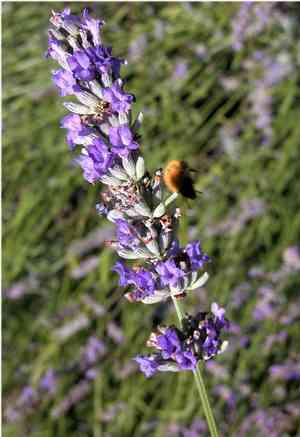
1
Spike lavender flourishes with ample sunlight, ideally getting over 6 hours of direct sun each day.
2
Morning sun is typically better for Spike lavender since it's less harsh than strong afternoon rays.
3
Insufficient light can result in stunted development and less aromatic blooms for Spike lavender.
The Importance of Sunlight for Spike Lavender
Photosynthesis and Development
Sunlight is fundamental for photosynthesis, the process where plants convert light energy into chemical energy. For Spike lavender, sufficient sunlight is vital for vigorous development. Light enables plants to create the sugars and nutrients crucial for their growth. When Spike lavender gets optimal sunlight, it results in lush, green leaves and strong stems.
Blossom Production and Fragrant Oils
Sunlight isn't only for growth; it's also key for flower production and the creation of aromatic compounds. Spike lavender is valued for its fragrant blooms, which are more plentiful and scented when the plant receives enough light. These aromatic oils, concentrated in the flowers, are enhanced by UV exposure, meaning more sunlight leads to a more intense signature fragrance.
Spike Lavender's Sunlight Requirements
Optimal Daily Light Exposure
Spike lavender thrives in full sun, meaning it should receive at least 6 to 8 hours of direct sunlight daily. This amount of light is especially important for encouraging the best flowers and maintaining overall plant health. If you live in an area with ample sun, your Spike lavender will likely flourish.
Morning vs. Afternoon Light
While Spike lavender loves full sun, not all sunlight is the same. Morning sunlight tends to be gentler and less intense than afternoon sun. This is beneficial because the cooler morning rays are less likely to scorch leaves but still provide the essential energy for photosynthesis. Ideally, position your Spike lavender to catch the morning sun and avoid the harsher midday and afternoon rays, especially in very hot climates.
Ideal Growing Locations for Spike Lavender
Outdoor Placements
Outdoors, select a spot that receives full sun for most of the day. Garden beds, pathways, or pots placed in the sunniest part of your yard are perfect. Southern exposures are typically best in the Northern Hemisphere as they get the most consistent sunlight throughout the day.
Indoor Choices
If growing Spike lavender indoors, place it near a south or west-facing window where it can get plenty of light. Remember that indoor plants might need supplementary light from grow lights, especially during shorter winter days. Rotate the plant occasionally to ensure even light exposure on all sides.
Avoiding Shade and Obstacles
Ensure your Spike lavender isn't shaded by larger plants or structures like buildings and fences. Even partial shade can impact growth and flowering. Trim back overhanging branches or move objects that cast a shadow over your plant to ensure it gets the full amount of sunlight it requires.
Seasonal Sunlight Management for Spike Lavender
Summer Light Needs
In summer, Spike lavender can be exposed to longer periods of sunlight. However, be wary of extremely high temperatures that can stress the plant. Mulching around the plant's base can help retain moisture and lower soil temperature. Ensure adequate watering but avoid overwatering, especially in very sunny conditions.
Winter Light Adjustments
During winter, daylight hours are shorter, and your Spike lavender might need supplemental lighting if grown indoors. Outdoor plants may benefit from being placed in the sunniest available spot to maximize light exposure. Covering plants with frost cloth can protect them from cold snaps while still allowing light to pass through.
Common Sunlight Problems and Solutions for Spike Lavender
Addressing Insufficient Light
Lack of sunlight can lead to leggy growth, poor blooming, and dull foliage. If your Spike lavender isn't getting enough light, consider moving it to a sunnier location. Indoors, you might need to use grow lights to ensure it receives the necessary light exposure.
Preventing Sunburn
Excessive exposure to intense sunlight, especially in hot climates, can cause leaves to burn or turn brown. Gradual acclimation to full sun can help prevent this. If burn marks appear, provide some afternoon shade using a garden cloth or by positioning other plants to offer partial cover during the hottest parts of the day.



