How Much Sunlight Do Common lantana Need?
1
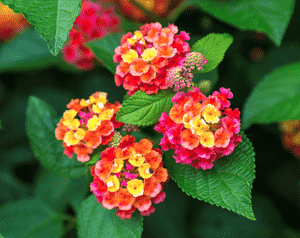
Common lantana flourishes optimally when exposed to full sunlight, receiving a minimum of 6 hours of direct sun daily.
2
Although it endures some partial shade, insufficient light may impede its flowering.
3
For container-grown Common lantana, utilizing portable pots allows for ideal sunlight positioning.
Optimal Light Conditions for Lantana camara
Full Solar Exposure
The Lantana camara is a heliophilous species that truly flourishes when exposed to full sun. This implies a daily minimum of six hours of direct solar radiation. Abundant sunlight enables the plant to produce vivid blossoms and sustain vigorous growth. Gardens or sites receiving ample sunlight for most of the day are perfect for cultivating your Lantana camara.
Partial Light and Shade Adaptability
Although Lantana camara prospers in full sun, it demonstrates some versatility and can endure partial shade. However, diligent placement monitoring is essential to ensure sufficient illumination for its magnificent blooms. In regions with filtered light or partial shade, anticipate fewer flowers and somewhat lankier growth. Should these indicators appear, contemplate relocating the plant to a sunnier spot.
How to Determine Appropriate Sunlight Conditions
Evaluating Your Garden's Solar Exposure
Understanding your garden's sunlight exposure is the initial step to guarantee your Lantana camara receives sufficient light. Devote a day to observing different areas of your garden, noting where sunlight persists the longest. This will aid in identifying locations that receive full sun versus partial shade.
Utilizing Sunlight Duration and Strength
To gauge sunlight duration and intensity, you can employ straightforward instruments such as a light meter or even a garden logbook. Document the times when each segment of your garden receives direct sunlight and for how long. Full sun areas typically experience 6 or more hours of strong sunlight, making them perfect for Lantana camara cultivation.
Impacts of Insufficient or Excessive Light
Indicators of Inadequate Sunlight
If your Lantana camara is not receiving enough sunlight, you might observe several symptoms, including sparse flowering, elongated stems, and a pale or yellowish tint to the foliage. These signs indicate the plant is stretching to find more light and requires greater direct solar exposure to remain healthy.
Indicators of Excessive Sunlight
While Lantana camara prefers full sun, extreme summer heat or very intense sunlight can occasionally lead to leaf scorching. Symptoms of overexposure to sunlight include dry, brittle leaf margins and a burnt appearance. Moving the plant to a slightly shaded spot during peak sun hours can help alleviate these effects.
Maximizing Sunlight for Container-Grown Lantana camara
Portable Planters for Optimal Solar Exposure
A significant benefit of cultivating Lantana camara in containers is the ability to reposition the plant to optimize sunlight exposure. Begin the day by placing containers in areas that receive morning sun and move them as necessary to maximize light coverage throughout the afternoon. This adaptability ensures your plant gets the ideal amount of sunlight.
Employing Reflective Surfaces to Boost Light
To enhance light for container-grown Lantana camara, incorporate reflective surfaces nearby. Positioning mirrors or white walls adjacent to the plant not only boosts light absorption but also distributes sunlight more uniformly. This approach can be especially advantageous in gardens with restricted direct sun exposure.
Seasonal Light Adjustments for Lantana camara
Summer Solar Requirements
During summer, Lantana camara benefits from extended hours of sunlight but might need some protection during extreme heat. In regions with scorching temperatures, consider temporary midday shading to prevent potential leaf sunburn. Always ensure the plant receives its daily sunlight quota, particularly in the morning and late afternoon.
Winter Light Reduction
In winter, sunlight duration naturally diminishes, presenting a challenge for sun-loving plants like Lantana camara. If grown outdoors in mild climates, ensure it's positioned where it can receive the maximum available sunlight. For indoor plants, placing them near south-facing windows and occasionally supplementing with grow lights can help provide the necessary illumination during the darker months.



