How Much Sunlight Do Spotted Dead Nettles Need?
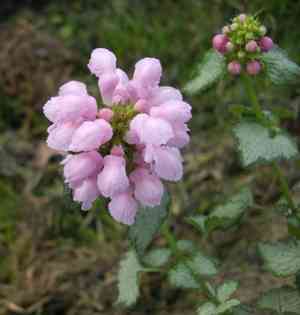
1
Spotted Dead Nettles flourish in areas with partial to complete shade.
2
They can withstand roughly 3-6 hours of filtered sun each day.
3
Excessive direct sun exposure may lead to leaf burn in Spotted Dead Nettles.
Ideal Light Conditions for Spotted Dead Nettles
Partial to Full Shade Preference
For optimal growth, Spotted Dead Nettles flourish in areas offering partial to full shade. This means they prefer spots receiving filtered or diffused light for most of the day. Complete shade, where direct sun is largely absent, also suits these plants well. When planting, consider placing them beneath trees, along shaded borders, or in locations shielded from intense midday sun.
Indirect Light Requirements
Another vital aspect of caring for Spotted Dead Nettles is ensuring ample indirect light. Indirect light refers to sunlight that doesn't directly strike the plant, often found in brightly lit areas but protected from direct sun exposure. Indoors, this might involve positioning the plant near a bright window with a sheer curtain to soften the light. Outdoors, they can thrive on north or east-facing sides of structures, receiving sufficient light without harsh sun rays.
Adjusting Sunlight Exposure for Spotted Dead Nettles
Monitoring Light Levels
Closely observing the amount of sunlight your Spotted Dead Nettles receive is crucial for their well-being. Watch them throughout the day to confirm they aren't exposed to excessive direct sun. A sun gauge or light meter can assist in obtaining a more precise measurement. Ideally, they should get about 3-6 hours of indirect sunlight daily. If you notice the sun is too intense at certain times, repositioning them to a shadier spot might be necessary.
Utilizing Shade Cloths or Screens
If relocating isn't feasible, employing shade cloths or screens can effectively manage sunlight exposure. Shade cloths come in various densities, allowing you to filter a percentage of sunlight reaching the plants. These can be draped over garden frames or structures to provide protection during the sunniest parts of the day. For indoor plants, light sheer curtains or blinds can help regulate light without completely blocking it.
Signs of Too Much or Too Little Sunlight for Spotted Dead Nettles
Symptoms of Excessive Sunlight
Too much sunlight can harm Spotted Dead Nettles. Common indicators include leaf scorch, where leaves turn brown or show burnt edges. You might also observe wilting and a general decline in plant vitality. Additionally, the variegated patterns on the leaves may diminish. If these signs appear, it's essential to move your plant to a shadier location or provide extra protection from direct sunlight.
Symptoms of Insufficient Sunlight
Conversely, inadequate sunlight can also be detrimental. Signs that your Spotted Dead Nettles aren't getting enough light include leggy growth, where the plant stretches and becomes sparse. You might also notice reduced variegation, with leaves becoming a more uniform green. If these symptoms emerge, consider moving the plant to an area with more filtered or indirect light to encourage healthy development.
Common Questions About Spotted Dead Nettles and Sunlight
Can Spotted Dead Nettles Tolerate Full Sun?
While Spotted Dead Nettles can endure brief periods of full sun, they generally do not flourish in such conditions. Prolonged exposure to direct sunlight can lead to leaf scorch and other stress symptoms. For optimal health, it's best to provide them with partial to full shade environments where they can thrive without the risk of damage from strong sunlight.
What are the Best Locations for Spotted Dead Nettles?
The best spots for growing Spotted Dead Nettles are areas with ample indirect light and partial to full shade. These can include shaded garden borders, spaces beneath trees, or even shaded sections of flower beds. Indoors, placing them near windows that offer bright, indirect light can help them prosper. The key is to ensure they receive enough light to grow, but are not exposed to the full, harsh rays of the sun for extended periods.



