How Much Sunlight Do Yellow archangel Need?
1
Yellow archangel flourishes with approximately 3-6 hours of sun exposure each day.
2
This species can endure complete shade, yet it develops optimally in partial sunlight.
3
Prevent Yellow archangel from receiving excessive direct afternoon sun to avoid leaf burn.
Grasping the Illumination Needs of Yellow archangel
Optimal light conditions
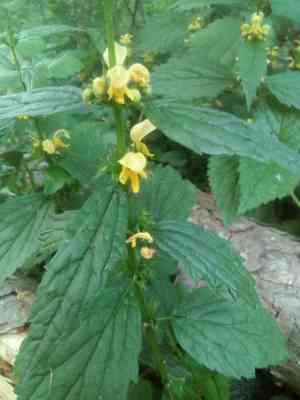
The Yellow archangel, a favored ground cover, flourishes in partial sun, meaning roughly 3-6 hours of daily sunlight. This plant prefers filtered light, akin to what it would naturally encounter in a forest environment. Ideal conditions involve morning and late afternoon sun, shielded from intense midday rays. Such illumination helps maintain its vibrant foliage and attractive yellow blooms.
Consequences of excessive sunlight
While light is crucial for Yellow archangel's development, too much direct sun, especially during the day's hottest period, can be harmful. This plant's delicate leaves are susceptible to burning and wilting under strong sunlight. Sunburn manifests as brown, brittle spots on the leaves. To prevent this, position the plant where it receives diffused or indirect light during peak hours.
Ideal light duration
Yellow archangel thrives best with 3-6 hours of daily sunlight. In environments with overly strong light, providing shade or dappled light ensures the plant's health and vigor. Monitoring the light your plant gets is vital; if it shows signs of distress, you might need to move it or offer additional cover.
What Occurs if Yellow archangel Receives Insufficient Sunlight?
Recognizing signs of inadequate light
When Yellow archangel doesn't get enough sunlight, it may display symptoms of insufficient light, such as stretched or elongated growth, pale or yellowing leaves, and reduced flowering. The plant extends towards the light source, leading to sparse foliage and weakened stems. Consistent observation aids in early detection of these signs.
Solutions for low light situations
If your Yellow archangel exhibits signs of low light, consider moving it to a brighter spot, ideally one that gets morning sun and afternoon shade. Additionally, trimming leggy growth can promote denser, more compact development. Employing artificial grow lights is another effective method to supplement natural light and ensure the plant receives the necessary illumination to thrive.
Prime Locations for Cultivating Yellow archangel
Indoor versus outdoor placement
Indoors, Yellow archangel should be situated near east or north-facing windows to receive gentle, indirect light. Outdoors, an excellent location would be a partially shaded area, such as beneath taller plants or trees that provide filtered sunlight. Shielding the plant from harsh afternoon sun is crucial to prevent leaf scorch and ensure optimal growth.
Seasonal considerations
Throughout different seasons, adjust your Yellow archangel's light exposure accordingly. In spring and fall, when the sun is less intense, the plant can tolerate more direct sunlight. However, during peak summer months, ensure it is protected from the strong midday sun. In winter, indoor plants may benefit from supplemental lighting if natural daylight is inadequate.
How to Utilize Artificial Illumination for Yellow archangel
Types of grow lights
Several kinds of grow lights are suitable for Yellow archangel, including fluorescent, LED, and incandescent lights. LEDs are particularly effective due to their energy efficiency and capacity to deliver full-spectrum light, which mimics natural sunlight. Fluorescent lights also perform well and are a budget-friendly option.
Recommended light intensity and duration
For optimal growth, Yellow archangel should receive artificial light with an intensity of approximately 1000-2000 lumens. A balanced light schedule that imitates natural conditions is essential, so aim for about 12-16 hours of light daily. Adjustable timers can help maintain a consistent light cycle.
Positioning artificial lights
When using artificial lights, place them about 12-24 inches (30-60 cm) above the plant to ensure uniform light distribution without causing heat stress. Reflective materials around the plants can also help maximize light exposure. Regularly check the plant for signs of light stress and adjust the distance or intensity as needed.



