How Much Sunlight Do Crepe myrtle Need?
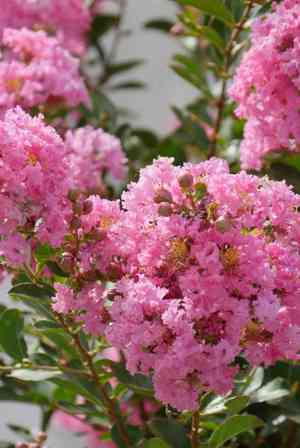
1
Crepe myrtle flourishes optimally with a minimum of 6 hours of direct solar exposure each day.
2
It can endure some filtered light, but abundant sun promotes the most brilliant flowers.
3
Periodic modifications might be necessary to sustain ideal light conditions.
Ideal Light Conditions for Crepe myrtle
Full Sun Guidelines
The Crepe myrtle thrives in direct sun, requiring at least six hours of unobstructed sunlight daily, ideally more. When situated in bright locations, it produces more prolific blooms and develops a robust structure. Ensure its placement allows for maximum solar exposure, free from significant shading by buildings or other flora.
Daily Sun Exposure
Crepe myrtle needs a minimum of six hours of direct sun daily for prime development. During summer, these plants tolerate even greater light levels. In very hot regions, a position receiving morning sun and afternoon shade is beneficial, safeguarding leaves from scorch while still promoting vigorous growth and flowering.
Seasonal Light Adjustments
It's crucial to account for seasonal variations in sunlight. In spring and summer, with longer days, Crepe myrtle benefits from extended sun periods. During autumn and winter's shorter days, positioning your plant to capture as much light as possible will support its vitality. Consider a site that remains relatively unshaded throughout the year to meet these changing light demands.
Positioning Your Crepe myrtle for Optimal Sunlight
Choosing the Right Spot
Selecting an appropriate site for your Crepe myrtle is vital. Ideal spots include open garden areas without an overhead canopy. Ensure the plant is positioned at least 3-4 meters (10-13 feet) from large structures or other substantial plants that could obstruct sunlight. If planting multiple Crepe myrtles, space them at least 1.8-2.4 meters (6-8 feet) apart to prevent mutual shading.
Sunlight vs. Shade: Achieving Equilibrium
While full sun is preferable, Crepe myrtle can endure some partial shade, particularly in warmer climates. However, excessive shade will lead to fewer blossoms and a leggy growth habit. Strive for a balance by ensuring morning light and some protection from intense midday sun if you're in an exceptionally hot region.
Relocating Throughout the Year
Throughout the year, you might need to modify your Crepe myrtle's sun exposure. If container-grown, consider moving it to track the sun's path, ensuring it receives ample light across seasons. For in-ground plants, placing them in a consistently sunny spot year-round is the best approach.
Indicators Your Crepe myrtle Needs More or Less Sunlight
Symptoms of Insufficient Sunlight
If your Crepe myrtle isn't receiving adequate sunlight, you might observe sparse or absent blooms. The plant may develop a tall, stretched appearance as it seeks more light. Another common sign is a generally weak look, with leaves that might appear small and pale.
Signs of Excessive Sunlight Exposure
Conversely, too much intense sunlight, especially in very hot climates, can cause leaf scorching, where leaf edges turn brown and crispy. High temperatures combined with direct sun can also induce water stress, manifested by wilting and discoloration.
Remedies and Adjustments
If you determine your Crepe myrtle is suffering from too little or too much sunlight, implement corrective actions. For light deficiency, trim back any surrounding plants or obstructions casting shadows. If excessive sunlight is the problem, provide some afternoon shade or use a lightweight shade cloth during peak sun hours. Consistent watering also helps manage the effects of sun exposure.
Common Questions About Crepe myrtle's Sunlight Requirements
Can Crepe myrtle Thrive in Partial Sun?
Yes, Crepe myrtle can grow in partial sun, though it's not optimal. While it will survive and might still produce some flowers, the blooms will be less abundant, and the plant may become spindly. Full sun exposure remains the best condition for this plant to flourish.
How Does Climate Impact Sunlight Needs?
Climate significantly influences Crepe myrtle's sunlight requirements. In cooler climates, maximizing sun exposure is more critical for encouraging blooming and growth. In hotter climates, providing some afternoon shade can shield the plant from extreme heat, preventing leaf scorch and dehydration.
What Are Ideal Companion Plants for Crepe myrtle in Sunny Locations?
When planting Crepe myrtle in sunny locations, companion plants that also prefer full sun are ideal. Consider planting lavender, lantana, or ornamental grasses, which complement Crepe myrtle well and thrive under similar light conditions. These combinations create a beautiful, unified garden design while ensuring each plant receives its necessary sunlight.



