How Much Sunlight Do Hyacinth bean Need?
1
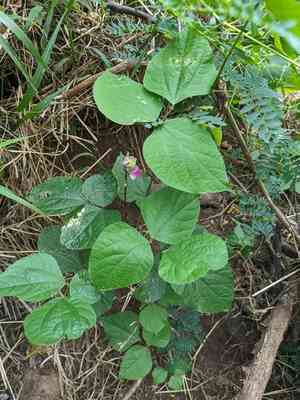
Hyacinth bean flourishes with ample sunlight (6-8 hours each day).
2
Partial shade is acceptable, though it reaches its peak growth in full sun.
3
Modify the amount of sun the plant receives depending on the season for its protection.
Optimal Solar Exposure for Hyacinth Bean
Understanding Illumination Requirements
The Hyacinth bean, admired for its vivid purple blooms and abundant green foliage, thrives in full sun. It needs ample light for efficient photosynthesis, which powers its development and flowering. Typically, these beans perform best with at least 6 to 8 hours of direct sunshine daily. Light is crucial not just for growth, but also for producing robust beans and maintaining their vibrant colors.
Full Sun Versus Partial Shading
While the Hyacinth bean flourishes in unshaded conditions, it can adapt to areas with some shade. Full sun means the plant receives direct light for over six hours daily, which is optimal. However, if your garden is partly shaded, ensure the plant gets at least 4-6 hours of direct sun, ideally in the morning when intensity is lower. Providing some afternoon light can also support health without the harshness of direct midday sun.
Best Cultivation Sites for Hyacinth Bean
Outdoor Planting Zones
When selecting an outdoor spot for your Hyacinth bean, choose areas that get abundant sunlight throughout the day. South-facing gardens or locations along fences, trellises, or walls that avoid casting significant shadows are ideal. Ensure the soil drains well and is rich in organic matter to support vigorous growth. Additionally, sites protected from strong winds are preferred, as excessive wind can stress the plant and harm its delicate vines.
Indoor Growth Considerations
Cultivating Hyacinth bean indoors is less common but achievable with proper light. Utilize a sunny window, preferably south-facing, where the plant can receive sufficient light. Alternatively, supplement natural light with artificial grow lights. Be aware that indoor plants may require more frequent monitoring of light exposure to effectively simulate seasonal daylight variations.
Managing Light Exposure
Seasonal Light Fluctuations
The amount of light your Hyacinth bean receives changes significantly with the seasons. During summer, the sun is higher and provides more direct, intense light, which is perfect for the plant's growth. In contrast, winter and fall bring less intense light due to shorter days and a lower sun path. Adjusting the plant's exposure during these periods helps maintain optimal growth. Consider relocating the plant to maximize available light during low-light seasons.
Using Shade Fabrics
In extremely bright conditions, particularly during peak summer, you might need to shield your Hyacinth bean from potential sun damage. Employing shade cloths is an effective method to protect the plant from overly harsh sunlight. These fabrics filter light, reducing its intensity while still allowing sufficient levels for photosynthesis. A shade cloth offering 20%-40% shading typically suffices to protect the plant without hindering its light needs.
Identifying Light Stress in Hyacinth Bean
Signs of Excessive Illumination
Too much sunlight can result in sunburn on Hyacinth bean leaves, appearing as scorched, brown spots, and wilting or drooping vines. Leaves may become brittle, dry, and show a bleached look. Upon noticing these indicators, it's crucial to act by providing afternoon shade or using protective measures such as shade cloths or temporary coverings to prevent further harm.
Symptoms of Insufficient Light
Conversely, inadequate sunlight can cause Hyacinth bean plants to display stunted development, pale or yellowing foliage, and poor flowering. The plant might stretch towards the light source, becoming leggy and weak. Ensuring the plant gets enough indirect light can fix these issues. Moving the plant to a brighter location or using supplementary indoor lighting can help combat this problem.
Tips for Optimizing Light for Hyacinth Bean
Employing Reflective Groundcover
Reflective mulch can significantly enhance light efficiency around your Hyacinth bean. This groundcover works by bouncing sunlight upwards onto the plant, increasing overall light exposure. Reflective mulches are especially beneficial in partly shaded areas, helping elevate light levels and reduce plant stress.
Correct Pruning Methods
Pruning is essential for preserving your Hyacinth bean plant's health and maximizing its light exposure. Regularly trim away any dead or shading leaves that might block light from reaching inner plant parts. Pruning also promotes air circulation and new growth. This practice ensures more areas of the plant receive adequate sunlight, fostering overall vigor and productivity.



