How Much Sunlight Do Red hot poker Need?
1
Red hot poker flourishes with abundant sunshine, requiring over six hours of direct light each day.
2
Although Red hot poker endures some dappled light, it reaches its peak potential when exposed to full sun.
3
The plant's light requirements shift with the seasons, thriving most effectively during extended periods of daylight.
Ideal Light Requirements for Red Hot Poker
Full Sun Necessities
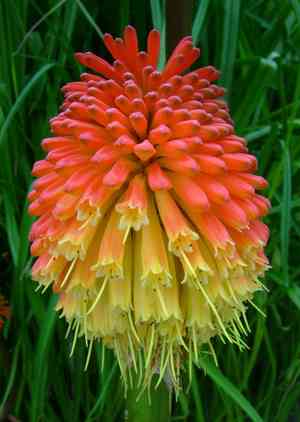
The Red hot poker, celebrated for its vivid, fiery blooms, demands abundant sunshine. This plant ideally requires exposure to direct sunlight for a minimum of 6 to 8 hours daily. Full sun encourages the plant to display its richest colors and fosters vigorous development. Gardens and open areas with minimal shading are perfect habitats for cultivating this striking flower.
Partial Shade Resilience
While the Red hot poker prefers full sun, it can withstand partial shade, especially in warmer climates where prolonged, intense sunlight might induce stress. Morning sun followed by afternoon shade offers a suitable compromise, helping the plant avoid overheating while still getting sufficient light to thrive.
Seasonal Fluctuations
Sunlight availability changes with the seasons, influencing the Red hot poker's growth cycle. Early spring and late fall, when daylight hours are shorter, may slow its development and reduce flowering. Nevertheless, during the height of summer, with extended days, the Red hot poker will flourish, producing its most impressive floral display.
Sunlight's Influence on Red Hot Poker Development
Growth Speed
Sufficient sunlight directly affects the Red hot poker's growth velocity. In environments receiving consistent full sun, the plant will develop more energetically. However, inadequate sunlight can result in stunted development and less impressive foliage.
Flowering Performance
The Red hot poker's spectacular blossoms are dependent on sunlight. Full sun exposure guarantees a dense and vibrant bloom, whereas shaded conditions might lead to fewer and paler flowers. For an optimal display, ensuring the plant receives ample sunlight is critical.
Health and Vigor
Sunlight is crucial for the Red hot poker's overall health and robustness. Full sunlight aids photosynthesis, resulting in stronger and more resilient plants. Insufficient light can weaken the plant, making it prone to diseases and less able to withstand environmental stressors.
Adjusting Red Hot Poker's Light Exposure
Choosing the Optimal Spot
Selecting the best planting location for the Red hot poker involves finding an area in your garden that receives full sunlight for most of the day. Avoid planting near tall structures or trees that might create excessive shade.
Utilizing Garden Features for Protection
In particularly warm regions, garden structures such as pergolas or shade cloths can offer necessary relief from intense midday sun without compromising the plant's light needs. These features ensure the Red hot poker gets enough light while being shielded from potential heat damage.
Monitoring and Adapting to Seasonal Shifts
Regularly observing your garden's sun patterns throughout the year can assist in making necessary adjustments. Moving potted Red hot pokers or providing temporary shade during peak summer can optimize their sunlight exposure and help them adapt to seasonal changes.
Common Sunlight-Related Problems and Solutions
Sunburn Indicators
Excessive sunlight can lead to sunburn in Red hot poker plants, identified by brown or scorched leaves. Protecting the plant during the hottest part of the day with shade structures or moving it to a less exposed location can prevent sunburn.
Addressing Insufficient Light
When the Red hot poker doesn't get enough light, it might exhibit leggy growth and poor flowering. Relocating the plant to a brighter spot or pruning nearby plants to reduce shade can help alleviate these issues.
Balancing Light and Moisture Requirements
Achieving a balance between light and water needs is vital for the Red hot poker. While full sun is essential, ensure the plant is adequately hydrated to prevent desiccation. Mulching can help retain soil moisture, supporting the plant's well-being during dry periods.



