How Much Sunlight Do Prickly castor oil tree Need?
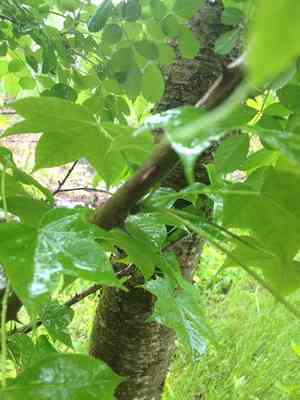
1
The Prickly castor oil tree flourishes with a minimum of six hours of direct sun each day.
2
Insufficient light can hinder the development of the Prickly castor oil tree.
3
Strategic trimming can optimize sun exposure, promoting robust growth.
Ideal Sunlight Requirements for the Prickly Castor Oil Tree
Full Sun Versus Partial Shade
The Prickly castor oil tree exhibits adaptability concerning light exposure. However, it thrives most robustly when situated in full sun. This implies the plant receives at least six hours of direct solar illumination daily. Although it endures partial shade, where it gets three to six hours of light, such conditions may impede its growth rate.
Recommended Daily Sun Exposure Duration
For prime development and vitality, the Prickly castor oil tree should experience over six hours of sunlight each day. This level of brightness aids in cultivating sturdy branches and luxuriant leaves. Insufficient light exposure can result in a lanky and fragile plant, compromising its structural integrity and hardiness.
Impact of Sunlight on Prickly Castor Oil Tree's Development and Health
Advantages of Sufficient Sunlight
Ample sunlight is vital for the Prickly castor oil tree's photosynthetic processes. It facilitates the creation of nutrients for the plant, leading to vivid green leaves and vigorous growth. Sunlight also helps the tree resist pests and diseases by bolstering its innate defenses.
Indicators of Inadequate Sunlight
If the Prickly castor oil tree doesn't receive enough light, you might observe several clear indicators. These include yellowing foliage, sluggish development, and a thin canopy. The plant may also become more vulnerable to infestations and illnesses, lacking the necessary energy to fend them off.
Hazards of Excessive Sunlight Exposure
While light is essential, too much can be detrimental. Prolonged direct sun exposure, particularly in very hot conditions, can cause leaf scorching, resulting in browned edges and discoloration. This can ultimately weaken the plant if not properly managed.
Adaptation to Diverse Climatic Zones
Light Demands in Temperate Regions
In temperate climates, providing full sun for your Prickly castor oil tree is generally straightforward, as these areas offer a balanced cycle of warm and cool seasons. Nevertheless, during cooler months, ensure the plant's location still allows for ample daily sunlight.
Managing Sunlight in Tropical Environments
Tropical zones provide abundant sunlight, but its intensity can be quite high. Here, intermittent shade during the peak heat of the day can help shield the tree from potential sun damage. This can be achieved by positioning it near taller vegetation that offers temporary shade.
Addressing Extreme Sunlight Conditions
In areas with intense sunlight, it is crucial to observe the Prickly castor oil tree for signs of sun damage. Deploying shade cloth or strategically placing the tree to receive dappled sunlight can help mitigate risks. Consistent hydration also becomes essential to counter the dehydrating effects of excessive sun.
Maximizing Solar Exposure for Prickly Castor Oil Tree
Pruning for Enhanced Light Access
Regular pruning can significantly improve the penetration of sunlight to the Prickly castor oil tree's inner branches. By removing dead or obstructing limbs, you allow more light to reach the tree's core, promoting uniform development and healthier foliage.
Strategic Planting Placement
Selecting the optimal spot for planting your Prickly castor oil tree is fundamental. Aim for an area that receives full sun for the majority of the day. Avoid planting it too close to structures or other large plants that could cast shadows and restrict its light intake.
Seasonal Adjustments for Light
The availability of sunlight shifts with the seasons. During shorter winter days, positioning your tree in a location that maximizes light capture becomes critical. Similarly, in summer, offering some shade during the hottest periods can protect your tree from sun scorch.
Common Errors to Avoid
Overestimating Shade Tolerance Levels
Many cultivators mistakenly assume the Prickly castor oil tree possesses a high tolerance for shade. While it can survive in partial shade, this significantly impedes its growth potential. Always strive to provide as much sun as possible within your garden's limitations.
Overlooking Seasonal Light Variations
Failing to account for seasonal alterations in sunlight can stress the plant. In winter, ensure it is placed for maximum solar exposure, and in summer, monitor for indicators of overexposure and implement necessary protective measures.



