How Much Sunlight Do Malabar nut Need?
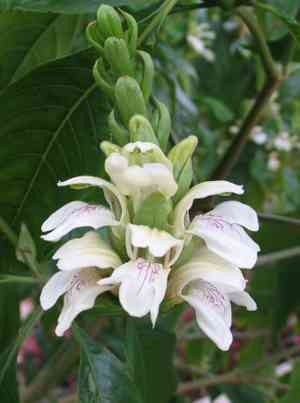
1
Malabar nut plants flourish optimally with approximately 3 to 6 hours of daily sun exposure, indicating a preference for partial shade.
2
Excessive direct sunlight may cause stress to the Malabar nut, resulting in leaf desiccation and wilting.
3
Supplemental grow lights are highly beneficial, particularly to compensate for reduced daylight during the colder seasons.
What Are the Sunlight Requirements for Malabar nut?
Optimal Sunlight Conditions
The Malabar nut is a hardy plant capable of adapting to diverse lighting situations, yet it thrives most effectively under partial sun. This entails providing it with roughly 3-6 hours of direct solar exposure daily. Ensuring your Malabar nut receives sufficient illumination can lead to more vibrant foliage and improved overall vitality.
Effects of Full Sunlight Exposure
While the Malabar nut can endure some full solar exposure, excessive direct light can be harmful. Extended periods under intense sun may cause leaf scorching and make the plant appear withered and stressed. Should you observe these indications, consider relocating your plant to an area with diffused light or dappled shade.
Consequences of Insufficient Light
Conversely, inadequate light can also negatively impact your Malabar nut. Without ample sunlight, the plant might become etiolated, displaying sparse, weak stems and less vivid leaves. If these symptoms are present, consider moving your plant to a brighter spot to encourage healthier development.
How to Determine the Best Location for Your Malabar nut?
Indoor Placement
When positioning your Malabar nut indoors, select a spot that receives abundant natural light, such as near a south-facing window. If direct sunlight proves too intense, you can utilize sheer curtains to gently diffuse the light while still providing the plant with the necessary brightness.
Outdoor Placement
Outdoors, the Malabar nut can be situated in an area that gets morning sunlight and afternoon shade. Gardens or patios offering filtered sunlight through trees can be ideal locations. Remember to observe the plant's response to its surroundings and adjust its position as needed.
Adjusting for Seasonal Changes
As the seasons transition, the intensity and duration of sunlight fluctuate. During shorter winter days, you might need to supplement natural light with artificial grow lamps. Conversely, during hot summer months, providing additional shade using blinds or shade cloths can safeguard the plant from intense heat.
How to Supplement Natural Light for Malabar nut?
Using Artificial Grow Lights
Artificial grow lights can be crucial for your Malabar nut, especially during periods of low natural sunlight. LED grow lights are energy-efficient and can deliver the essential light spectrum for photosynthesis. Position the lights approximately 15-20 cm (6-8 inches) above the plant and operate them for 8-12 hours daily for optimal results.
Signs Your Plant Needs More Light
Watch for indicators that your Malabar nut isn't receiving enough light, such as pale leaves, stunted growth, or foliage reaching towards the light source. If these symptoms appear, try increasing the light exposure by moving the plant closer to a light source or adding artificial illumination.
Tips for Managing Sunlight Exposure
Protecting from Intense Sunlight
To shield your Malabar nut from harsh sunlight, particularly at midday, employ strategies like relocating the plant to a shaded area or erecting a temporary umbrella in the garden. This prevents leaf scorching and helps maintain the plant's hydration levels.
Using Curtains, Blinds, or Shade Cloths
Indoors, you can use sheer drapes or window blinds to filter out strong rays, creating a gentle light environment for your Malabar nut. Outdoors, deploy shade fabrics of varying densities to regulate the amount of sunlight the plant receives. These tools are effective for protecting the plant from excessive light and heat.



