How Much Sunlight Do Rocky mountain juniper Need?
1
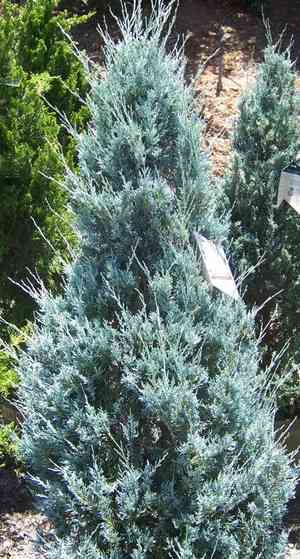
Rocky Mountain Juniper flourishes with a minimum of six hours of direct sun daily.
2
While it endures some shade, inadequate light can hinder its development.
3
For container-grown plants, reposition your Rocky Mountain Juniper to receive ideal sunlight year-round.
Optimal Light Conditions for Rocky mountain juniper
Full Sun Requirements
For peak development and vivid foliage, Rocky mountain juniper needs full sun exposure. This plant thrives where it gets at least six hours (preferably more) of direct sunlight daily. Full sun promotes robust health, strong structure, and a more luxuriant look. It's vital to place the plant where it consistently meets these light needs, avoiding spots occasionally shaded by buildings or taller trees.
Partial Shade Tolerance
While Rocky mountain juniper performs best in full sun, it's adaptable and can endure partial shade. This means it can flourish with some morning sun and afternoon shade or filtered light all day. However, prolonged partial shade can slow its growth and make foliage less dense and paler. So, if full sun is limited, providing as much light as possible is still recommended.
Impact of Seasonal Changes
Seasonal shifts significantly affect sunlight availability for your Rocky mountain juniper. During summer, with longer days, the plant naturally receives more light. Conversely, in winter, shorter days mean less exposure, which can impact its vigor. For areas with dramatic seasonal light variations, you might need to reposition the plant or use supplemental lighting to maintain its health during darker months.
Choosing the Best Planting Spot for Rocky mountain juniper
Assessing Your Garden's Sun Exposure
Begin by observing your garden at various times to identify spots receiving the most sunlight. Note areas with consistent 6-8 hours of sun and those with partial sun or shade. This evaluation should guide your choice of an ideal planting site for Rocky mountain juniper. The aim is to select a location where the plant can enjoy full sun for most of the day.
Identifying Microclimates
Microclimates in your garden can influence Rocky mountain juniper's growth. These are small zones where climate conditions differ slightly from surrounding areas, often due to nearby structures, trees, or water bodies. Recognizing these microclimates helps you find the best conditions for planting your Rocky mountain juniper. Aim to place your plant in a favorable microclimate that receives ample sunlight.
Avoiding Common Sunlight Obstacles
It's crucial to avoid sunlight obstructions when planting your Rocky mountain juniper. Common obstacles include buildings, large trees, or other structures that can cast shadows. Ensure the planting site has no large objects or potential future impediments like growing trees that might block sunlight as they mature. Strategic placement away from these obstacles will guarantee consistent sunlight for optimal growth.
Effects of Too Much or Too Little Sun on Rocky mountain juniper
Symptoms of Excessive Sun Exposure
Though Rocky mountain juniper prefers full sun, too much direct, intense sunlight, especially in very hot climates, can cause stress. Signs of excessive sun exposure include yellowing or browning foliage, scorched leaves, and increased susceptibility to pests and diseases. If these symptoms appear, providing some midday shade or adjusting watering might be necessary to help the plant recover.
Signs of Insufficient Sunlight
When Rocky mountain juniper doesn't get enough sunlight, it can show several growth problems. Indications of insufficient light include leggy growth, sparse foliage, and a dull green color instead of a vibrant hue. The plant might also grow slower or become more prone to diseases. If these symptoms are evident, re-evaluating the planting location for better light access is important.
Corrective Measures to Take
If you find your Rocky mountain juniper is suffering from incorrect sunlight levels, take prompt corrective action. For excessive sun exposure, consider moving the plant to a spot with some afternoon shade or providing temporary shading like shade cloth. For insufficient sunlight, relocate the plant to a sunnier spot or trim nearby plants blocking light. Regular monitoring and environmental adjustments will help your Rocky mountain juniper thrive.
Ensuring Optimal Sunlight for Potted Rocky mountain juniper
Placing Your Potted Plant
When cultivating Rocky mountain juniper in a pot, careful positioning is vital. Place the pot where it can receive at least 6 hours of direct sunlight daily. This could be a sunny patio, balcony, or any open area not shaded by taller plants or structures. Using plant stands or pot risers can help ensure the plant gets ample sunlight exposure throughout the day.
Adjusting for Seasonal Changes
Potted plants offer the advantage of mobility, especially useful during seasonal shifts. In winter, move your potted Rocky mountain juniper to a location with more sunlight as days are shorter. During extremely hot summers, consider moving it to a spot that gets morning sun but is shaded during harsh afternoon hours to prevent scorching.
Supplementary Lighting Options
If natural sunlight is inadequate, particularly during darker months or in areas with limited sun, consider using supplementary lighting. Grow lights that mimic natural sunlight can provide the necessary light spectrum for photosynthesis. Position the lights about 30 centimeters (12 inches) above the plant and ensure they are on for approximately 12-14 hours daily to simulate natural daylight conditions.



