How Much Sunlight Do Creeping juniper Need?
1
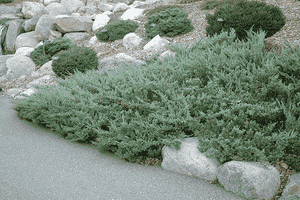
Creeping juniper flourishes in ample sunlight, needing more than six hours of direct sun each day.
2
Although typically resilient to diverse environments, Creeping juniper might decline in locations with insufficient illumination.
3
Proper placement is essential for preserving the plant's vivid vitality and hue.
The Importance of Sunlight for Creeping Juniper
Photosynthesis and Plant Vitality
Sunlight is crucial for Creeping juniper as it powers photosynthesis, the process where plants convert light into energy. Without sufficient sunlight, Creeping juniper cannot produce the sustenance required for growth and health. Photosynthesis also helps maintain the plant's vibrant, appealing foliage.
Growth and Development
Beyond fueling photosynthesis, sunlight plays a key role in the overall development and growth of Creeping juniper. Adequate sunlight ensures the plant's branches are strong and resilient, helping prevent diseases and other health issues. Ample sunlight also leads to a more even and attractive spread, making it an excellent choice for ground cover.
Optimal Sunlight Conditions for Creeping Juniper
Full Sun Explained
Creeping juniper thrives best in full sun conditions, receiving at least 6 hours of direct sunlight daily. Full sun exposure ensures the plant generates enough energy to sustain its growth and maintain its vibrant color. In areas with less sunlight, the plant may not develop as robustly and could become prone to diseases.
Partial Sun Tolerance
While Creeping juniper flourishes in full sun, it can also endure partial sun conditions. This means the plant can still perform well in spots where it gets 3-6 hours of direct sunlight daily. However, too much shade can result in a leggy, sparse appearance and increase the risk of fungal infections.
Sunlight Requirements by Season
Summer Sunlight Needs
During the summer months, Creeping juniper benefits from extended daylight and intense sun exposure. Ensure your junipers receive at least 6 hours of direct sunlight daily. Due to higher temperatures, it's also essential to regularly monitor soil moisture to prevent dehydration.
Winter Sunlight Adaptations
In winter, sunlight is less intense, and days are shorter. Creeping juniper can adapt to these conditions, but it still requires adequate light to remain healthy. If possible, avoid planting these junipers in areas that will be heavily shaded by buildings or other structures during winter.
How to Ensure Proper Sunlight for Creeping Juniper
Site Selection Tips
Choose a location that receives abundant direct sunlight throughout the day, preferably more than 6 hours. Avoid areas frequently shaded by buildings, trees, or other large structures. A south-facing spot often provides the best conditions for sunlight exposure.
Monitoring Sunlight Exposure
Regularly check your Creeping juniper to ensure it's getting sufficient light. Observe how sunlight falls on your plant throughout the day and adjust its placement if necessary. In areas with changing light patterns, consider seasonal adjustments to maintain optimal sunlight exposure.
Common Sunlight-Related Problems and Solutions
Identifying Insufficient Sunlight
If your Creeping juniper exhibits sparse or leggy growth, pale foliage, or poor overall health, it may not be receiving enough sunlight. In such cases, consider moving the plant to a sunnier spot or trimming surrounding vegetation that may be blocking light.
Dealing with Excess Sunlight
Although uncommon, excessive sunlight combined with high temperatures can stress Creeping juniper. If the foliage begins to appear scorched or overly dry, provide occasional shade during peak sun hours, especially during the hottest parts of the day. Ensuring adequate watering can also alleviate heat stress.



