How Much Sunlight Do Common rush Need?
1
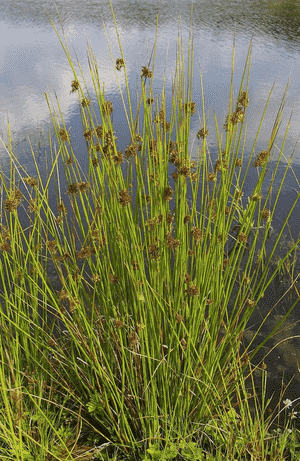
For peak development, Common rush flourishes most effectively in direct sunlight.
2
While it can endure some partial shade, its growth may not be as robust.
3
Common rush can survive in low-light conditions, but its growth could be inhibited.
Optimal Sunlight Conditions for Common rush
Full Sunlight Requirements
The Common rush plant thrives in areas with complete sun exposure. For those new to gardening, full sun signifies that the plant should receive more than six hours of direct sunlight daily. Ideal sunlight aids Common rush in developing its characteristic vibrant, green foliage and sturdy structure. When planting Common rush, select a site that enjoys uninterrupted sunlight, which will significantly enhance the plant's vitality and visual appeal.
Partial Sunlight Tolerance
Common rush demonstrates a commendable capacity to withstand partial sunlight, making it a flexible choice for various garden settings. Partial sunlight refers to areas that get between 3 to 6 hours of sunshine each day. While the plant will still grow under these conditions, it might not display as robust growth as it would with full sun. For individuals with shaded gardens, this plant remains a viable option, offering resilience and adaptability.
Common rush Light Adaptability
Does Common rush Grow in Shade?
Yes, Common rush can establish itself in shaded areas, though it's important to note that its development may be less vigorous. In shaded conditions, the plant's height and density can be diminished. Shady spots offer less energy for photosynthesis, which is vital for the plant's complete development. Gardeners should closely observe their shaded Common rush plants and consider supplementary light sources if they notice indications of poor growth.
Impact of Inadequate Sunlight
Insufficient sunlight can lead to several problems for Common rush. The most prevalent symptoms include yellowing leaves and stunted development. Too little light can also increase the plant's susceptibility to diseases. Ensuring Common rush receives the correct amount of light is crucial for its overall well-being. If situated in areas with less than optimal light, consider periodic relocation or trimming nearby vegetation to allow more light to reach the Common rush.
Seasonal Sunlight Variations for Common rush
Spring and Summer Sunlight Needs
During spring and summer, Common rush enters its prime growth period and requires consistent full sunlight. These seasons offer the longest daylight hours, which helps the plant prosper. Make sure to place your Common rush in a spot that receives maximum sunlight during these times. Consistent irrigation combined with ample sunlight will ensure the plant maintains its lush green appearance and continues to grow energetically.
Fall and Winter Sunlight Adjustments
As the days shorten in fall and winter, sunlight becomes less abundant. During these seasons, Common rush may naturally receive reduced light. Gardeners should consider moving containerized plants to brighter locations if feasible or utilize artificial grow lights to compensate for the diminished sunlight. While Common rush can cope with less sunlight during these colder months, providing extra light can help sustain its growth and prevent dormancy.
Tips for Ensuring Proper Sunlight for Common rush
Location Selection
Choosing the appropriate site is essential for ensuring Common rush receives sufficient sunlight. When planting outdoors, opt for an area that's clear of shading from trees or structures for most of the day. Gardens with southern or western orientations typically provide the most sunlight. For indoor plants, position the Common rush near south-facing windows to maximize light exposure.
Use of Artificial Lighting
In situations where natural sunlight is insufficient, especially during winter, artificial lighting can be a savior for Common rush. LED grow lights are an excellent choice as they deliver the full spectrum of light required for photosynthesis. Position the lights approximately 15-30 cm (6-12 inches) above the plant and keep them illuminated for about 8-14 hours daily to mimic natural sunlight. This can help maintain the plant's growth cycle throughout the year.



