How Much Sunlight Do Blue jacaranda Need?
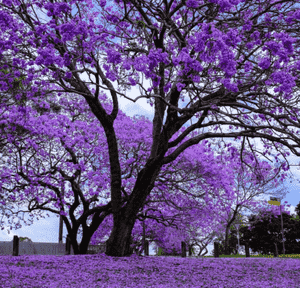
1
Blue jacaranda flourishes optimally with ample sunlight, requiring a minimum of 6 hours of direct sun each day.
2
Insufficient light exposure can result in elongated stems and diminished flowering for Blue jacaranda.
3
Protecting Blue jacaranda from harsh sun exposure aids in avoiding leaf damage and scorching.
The Vital Role of Sunlight for Blue Jacaranda Development
Photosynthesis and Energy Generation
Sunlight serves as the primary energy source for your Blue jacaranda. This graceful tree relies on solar radiation to power photosynthesis, the process by which it transforms light energy into chemical energy. This transformation is crucial for producing the nutrients and vigor your plant requires to grow, flourish, and yield its striking, purple-blue blossoms.
Effect on Bloom and Visual Appeal
Sufficient sunlight significantly impacts the blooming and overall aesthetic quality of Blue jacaranda. Consistent exposure to direct sun promotes robust flowering, leading to a spectacular floral exhibition. Conversely, inadequate sunlight can result in fewer blooms and a less impressive visual presence.
Optimal Sunlight Conditions for Blue Jacaranda
Full Sun Requirements
Blue jacaranda thrives in full sun exposure, meaning it should be located in an area that receives direct sunlight for the majority of the day. Full sun encourages vigorous growth and abundant flowering. Ideally, aim for an environment where your tree can be bathed in uninterrupted sunlight.
Daily Light Hours
To ensure your Blue jacaranda prospers, it requires a minimum of 6 hours of direct sunlight daily. While it can tolerate some partial shade, the best outcomes for growth and flowering are achieved when the tree is exposed to ample light. Positioning it in a bright location in your garden will make a considerable difference.
How to Guarantee Adequate Sunlight for Your Blue Jacaranda
Selecting the Proper Planting Site
Choosing the ideal planting spot is essential. Select a location in your garden that receives full sun exposure throughout the day. Avoid areas shaded by tall structures, large trees, or other impediments that could block sunlight. A well-chosen site will ensure your Blue jacaranda gets the necessary light.
Seasonal Light Fluctuations
Consider the seasonal changes in sunlight. During the warmer months, the sun's trajectory provides ample light, but in winter, the lower sun angle could create longer shadows. Be aware of how the seasons affect sunlight availability and adjust your tree's placement if needed.
Pruning for Enhanced Light Penetration
Strategic pruning helps improve light penetration to the core of your Blue jacaranda. Remove any dead or overly dense branches to allow sunlight to reach the inner parts of the tree. This fosters healthier growth and ensures that all sections of the plant benefit from available light.
Indicators Your Blue Jacaranda Needs More Sunlight
Recognizing Weak or Elongated Growth
One of the initial signs that your Blue jacaranda isn't receiving enough sunlight is weak or leggy growth. If the branches are long, thin, and lack vigor, it suggests your tree is stretching towards available light, a clear symptom of insufficient sunlight.
Poor Flowering and Blossom Production
A reduction in the number of blooms or subpar flowering performance is another sign of inadequate sunlight. Blue jacaranda trees that do not receive enough light may produce fewer flowers, leading to a less stunning display compared to well-lit trees.
Pale or Yellowish Leaves
Leaves that appear pale or yellowish often indicate a need for more sunlight. Healthy Blue jacaranda foliage should be a vibrant green; a lack of sunlight disrupts chlorophyll production, causing leaves to lose their vivid color. Monitor your tree for these leaf changes and adjust its position accordingly.
Safeguarding Your Blue Jacaranda from Excessive Sunlight
Identifying Sunburn and Scorch Symptoms
While Blue jacaranda flourish in sunlight, overexposure, particularly in extremely hot climates, can lead to sunburn and leaf scorch. Look for signs such as brown patches on leaves or burned leaf edges. These symptoms suggest that your tree is receiving too much direct sunlight.
Best Practices for Shading and Protection
To shield your Blue jacaranda from excessive sunlight, consider using shade cloths or other temporary shading solutions during the hottest part of the day. Planting the tree where it can receive morning sunlight and some afternoon shade can also help reduce the effects of extreme sun exposure and ensure your tree remains healthy and vibrant.



