How Much Sunlight Do Rabbitear iris Need?
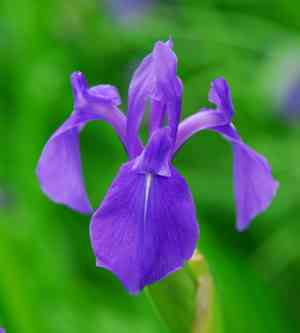
1
Rabbitear iris thrives with a minimum of 6 hours of direct sun each day.
2
Monitor for signs of drooping or burnt foliage, as these suggest excessive solar exposure.
3
Acceptable in filtered light, though this might reduce the quantity of flowers produced.
Deciphering Sunlight Needs for Rabbitear Iris
Native Environment and Light Exposure
The Rabbitear iris originates from areas characterized by abundant solar radiation and consistently moist soil. This robust perennial flourishes in brightly lit locales near watercourses and wetlands, where it can absorb sunlight for most of the day. Understanding its natural habitat helps us determine its light requirements in your garden.
The Importance of Adequate Sunlight
Supplying your Rabbitear iris with the correct amount of sunlight is vital for its vitality and blooming capacity. Appropriate light exposure supports efficient photosynthesis, which in turn influences its development rate and floral output. Without sufficient illumination, you might observe restricted growth and fewer blossoms.
Optimal Light Conditions
Direct Sun vs. Partial Obscurity
Regarding light, Rabbitear iris performs best in full sun, meaning it requires over 6 hours of unfiltered direct sunlight daily. However, it can endure partial shade, receiving under 6 hours of light, though this may decrease the number of flowers. It's beneficial to observe your garden to identify the ideal location with maximum light exposure.
Recommended Daily Light Duration
For prime growth and abundant flowering, ensure your Rabbitear iris gets at least 6 to 8 hours of daily sunlight. Morning sun is especially advantageous as it provides a gentle start, followed by more intense afternoon rays. In exceptionally hot climates, some afternoon shade can aid in preventing overheating.
Indicators of Light-Related Issues in Rabbitear Iris
Excessive Light Exposure
If your Rabbitear iris receives too much sunlight, particularly in hotter regions, you might notice signs of stress such as scorched or yellowing foliage. The plant may also begin to wilt despite receiving adequate water. To alleviate this, consider providing some afternoon shade or ensuring the soil maintains good moisture.
Insufficient Light Exposure
Conversely, inadequate sunlight can lead to lanky growth and reduced blooming. If your Rabbitear iris is not getting enough light, you may observe the plant stretching towards the light source, with elongated stems and fewer flowers. Moving the plant to a brighter spot can help it thrive.
Strategies for Managing Light Levels
Seasonal Adjustments
Seasonal changes can impact the amount of sunlight your Rabbitear iris receives. During spring and summer, ensure it gets plentiful direct sunlight. In autumn and winter, you might need to relocate potted irises to brighter areas or utilize grow lights indoors to supplement natural light.
Implementing Shading Techniques
If your garden is in an area with extremely warm summers, shading methods can help safeguard your Rabbitear iris from intense afternoon sun. Use garden umbrellas or shade cloths to create a dappled light effect. Furthermore, applying mulch around the plant's base aids in retaining soil moisture, lessening stress from high light levels.



