How Much Sunlight Do Japanese Iris Need?
1
Japanese Iris performs best with ample sunlight, needing over six hours of direct solar exposure each day.
2
Although it can withstand some shade, Japanese Iris achieves peak vitality and flowering when exposed to full sun.
3
Insufficient light may result in underdeveloped blossoms and diminished plant vigor for Japanese Iris.
What Light Conditions Does Japanese Iris Need?
Ideal Sun Exposure
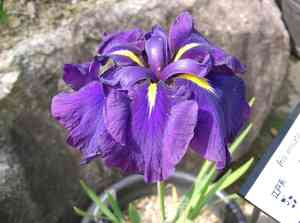
The Japanese Iris is a heliophile, thriving best under full sun. Ideally, it should receive at least six hours of direct sunlight daily. This provides the plant with sufficient energy to produce its stunning, vibrant blossoms. Full sun promotes strong development and boosts the plant's resistance to disease. When planting Japanese Iris, choose a garden location not overshadowed by trees or buildings to maximize sun exposure.
Tolerance for Partial Shade
While full sun is preferred, Japanese Iris can withstand partial shade, especially in warmer climates where intense afternoon sun might be too harsh. In partial shade, the plant should still get several hours of direct morning sunlight, ensuring it gathers enough energy for growth. However, excessive shade can lead to fewer blooms and weaker growth. Therefore, balance is crucial when situating your Japanese Iris in partly shaded areas.
How to Select the Best Location for Your Japanese Iris
Choosing an Outdoor Spot
Selecting the appropriate garden location is vital for the health of your Japanese Iris. Seek an area that receives ample sunlight—at least six hours per day. It's also important to ensure the soil drains well, as Japanese Iris prefers slightly acidic to neutral soil with good drainage. Areas near water features, such as ponds or streams, can be ideal since Japanese Iris also appreciates moist conditions, provided the spot isn't overly shaded.
Indoor Placement Advice
While typically grown outdoors, Japanese Iris can be cultivated indoors if a suitable sunny spot is available. Position the plant near a south or west-facing window where it can receive abundant sunlight. If natural light is inadequate, consider using grow lights to supplement and ensure the plant gets the required six hours of light. Rotate the plant regularly to ensure uniform light distribution and prevent it from leaning towards the light source.
Common Light-Related Problems and Solutions
Indicators of Excessive Sunlight
Although Japanese Iris loves sun, too much exposure, especially during peak summer months, can cause its foliage to scorch. Signs of overexposure include yellowing leaves, brown edges, and a brittle texture. If these symptoms appear, it may be beneficial to provide some afternoon shade or use a shade cloth to protect the plant during the warmest parts of the day.
Indicators of Insufficient Sunlight
Inadequate sunlight can impede the growth and flowering of Japanese Iris. Symptoms of low light include elongated, spindly stems, pale foliage, and fewer or no blooms. If these signs emerge, try moving the plant to a brighter location or adjusting nearby structures or plants that might be blocking light. Remember, abundant flowering and the most vigorous growth are achieved with proper sunlight.
Modifying Light Exposure
To optimize your Japanese Iris's sunlight exposure, observe its growth and make adjustments as needed. In regions with intense afternoon sun, providing partial shade during peak hours can help prevent leaf burn. Conversely, in shaded gardens, consider pruning surrounding trees or shrubs to allow more light to reach the plant. Regular evaluation and modification ensure the plant receives the balanced lighting conditions it needs to flourish.
Seasonal Light Requirements for Japanese Iris
Spring and Summer Needs
During spring and summer, Japanese Iris demands the most sunlight, as these are its primary periods for growth and blooming. Ensuring the plant gets plenty of light during these months will result in lush foliage and numerous flowers. Consistent watering is also vital during this time to support its growth and compensate for increased evaporation due due to higher temperatures.
Fall and Winter Adjustments
In fall and winter, Japanese Iris enters a dormant phase, and its sunlight requirements decrease. While the plant still benefits from sunlight, the necessary intensity and duration are significantly lower. During these cooler months, a minimum of indirect sunlight will suffice. Adjust watering accordingly, as over-watering during dormancy can be harmful to the plant, given its reduced metabolic activity.



