How Much Sunlight Do Douglas Iris Need?
1
Douglas Iris flourishes optimally with 6-8 hours of direct sun each day.
2
Ample sunlight can improve the flowering of Douglas Iris.
3
Some shade is acceptable, particularly in warmer regions.
The Importance of Sunlight for Douglas Iris
Photosynthesis and Development
Sunlight is vital for the Douglas Iris as it powers photosynthesis, the process where plants convert light energy into chemical energy. This energy fuels development, aiding the plant in forming robust stems and abundant foliage. Without sufficient sunlight, the plant's overall development can be hindered, and its vitality may decline.
Blossoming and Flower Quality
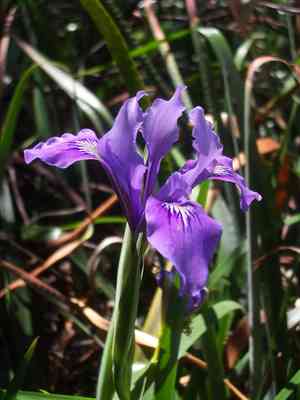
The caliber and frequency of Douglas Iris blooms are directly affected by the amount of sunlight they receive. More sunlight encourages stronger and more vivid flowers. Full sun exposure often leads to larger, more colorful blossoms that can become a garden highlight. Partial shade may still allow flowering but could impact their size and vibrancy.
Pest and Disease Avoidance
Adequate sunlight can also contribute to preventing pests and diseases. Plants in full sun are less prone to fungal infections, which flourish in moist and shaded conditions. Furthermore, healthier plants with vigorous growth are generally more resistant to pests and illnesses.
Optimal Sunlight Conditions for Douglas Iris
Full Sun vs. Partial Shade
Douglas Iris plants prefer full sun, meaning they should receive at least 6-8 hours of direct sunlight daily. However, they can also endure partial shade, especially in regions with extremely high summer temperatures. Partial shade can reduce the risk of leaf scorch on particularly hot days.
Daily Light Requirements
For peak growth and flowering, aim to provide your Douglas Iris with a minimum of 6 hours of daily sunlight. Ideally, 8 hours of sunlight can significantly enhance the plant's health and bloom quality. Ensure they are situated in a spot where they will consistently receive this level of exposure.
Regional Considerations
Factor in your geographical location when planning sunlight exposure for your Douglas Iris. In cooler climates, full sun is generally essential for vigorous growth, whereas in warmer areas, a location with some afternoon shade can help shield the plant from excessive heat and sun stress.
Tips for Ensuring Proper Sunlight
Plant Placement
Position your Douglas Iris in a garden area where it will get ample sunlight. South-facing spots are often perfect, especially if they are clear of shade cast by structures or large trees. Observe the sunlight patterns throughout the day to determine the best location.
Adapting to Seasonal Changes
Sunlight intensity and duration vary with the seasons. During the active growth period (spring and summer), ensure your Douglas Iris is in a spot with full exposure. In autumn and winter, if they are in containers, you might need to relocate them to sunnier spots as the sun's angle and intensity diminish.
Utilizing Artificial Lighting
If natural sunlight is insufficient, particularly during colder months, you can supplement with artificial lights. Place grow lights approximately 12-18 inches above the plant and use a timer to ensure they receive about 6-8 hours of light daily. This can help maintain plant health when natural light is scarce.
Common Sunlight-Related Issues
Signs of Excessive Sunlight
If your Douglas Iris is getting too much sunlight, you might observe signs of sunburn, such as yellowing or browning foliage. The leaf edges might appear scorched. In severe instances, the plant's growth can also be stunted.
Signs of Insufficient Sunlight
Inadequate sunlight can result in dull, weak leaves and poor flowering. The plant might become leggy as it stretches toward the light, with fewer and less vibrant blossoms. Growth may slow considerably, leading to a fragile overall plant structure.
Remedial Actions
For too much sunlight, consider providing some afternoon shade using shade cloths or moving the plant to a less exposed spot. For insufficient sunlight, relocate your Douglas Iris to a sunnier area or supplement with artificial lighting. Properly assessing your plantâs needs and adjusting its environment accordingly can help ensure it flourishes.



