How Much Sunlight Do Garden balsam Need?
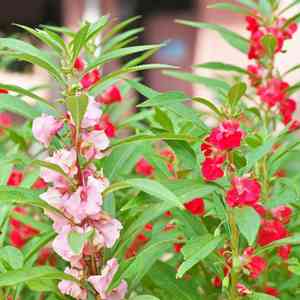
1
For optimal growth, Garden balsam requires roughly 3-6 hours of sun each day.
2
While Garden balsam can endure full sun exposure, it flourishes most effectively in partial shade.
3
During periods of low natural light or winter, artificial illumination can supplement available sunlight.
Understanding Garden balsam Sunlight Requirements
What is the ideal amount of sunlight for Garden balsam?
Garden balsam thrives with 3 to 6 hours of sunlight daily. This resilient annual prefers partial sun, meaning it flourishes in spots that receive direct sun in the morning or late afternoon, but are shielded during the day's warmest period. Excessive direct sunlight can harm the plant, while inadequate light inhibits its vibrant growth and blossoms.
Signs of too much sunlight exposure
When overexposed to sunlight, Garden balsam will show several signs of distress. Typical indicators include wilting even with proper watering, browned or scorched leaf edges, and discolored or bleached foliage. If these symptoms appear, consider moving your plants to a less intense light area or providing shade during peak sun hours.
Indicators of insufficient sunlight
Conversely, if your Garden balsam isn't receiving enough light, it will signal this through its growth patterns. Look for stretched or elongated stems, pale or yellowish leaves, and a general lack of flowers. To fix this, relocate the plants to a brighter spot or supplement their light with artificial sources, ensuring they get the necessary 3-6 hours of sun.
Optimizing Sunlight for Your Garden balsam
Best locations to plant Garden balsam
Garden balsam should be placed in areas that offer a good balance of sun and shade. Select a garden bed that receives morning sun and some afternoon shade. Other suitable spots include beneath the filtered light of larger trees or along the east side of a structure, where they get ample morning light but are protected from the strong midday sun.
Using artificial light sources
Artificial illumination can be very beneficial, especially on cloudy days or in regions with shorter daylight in winter. Utilize full-spectrum grow lights that replicate natural sunlight, positioning them approximately 30-60 cm (1-2 feet) above the plants. Ensure they operate for about 12-16 hours daily to provide supplementary light, keeping your plants robust.
Seasonal sunlight adjustments
The strength and duration of sunlight can fluctuate considerably between seasons. During spring and summer, when natural light is plentiful, regular monitoring ensures your Garden balsam isn’t subjected to excessive light. In autumn and winter, consider employing grow lights to compensate for reduced daylight, helping your plants remain vigorous and healthy year-round.
Balancing Sunlight and Shade for Garden balsam
How to protect Garden balsam from intense sun
To shield Garden balsam from strong sun, particularly during the hottest midday hours, think about using shade cloths or erecting temporary structures like garden umbrellas. Applying mulch around the plant bases also helps maintain soil moisture, keeping the plants cool and lessening root stress from intense heat.
Creating shaded environments
You can create a suitable shaded environment for your Garden balsam through various means. Plant them under larger trees or next to taller shrubs that can offer intermittent shade. Alternatively, trellises or arbors can provide both aesthetic appeal and the necessary light diffusion, giving your plants the perfect blend of sun and shade.
Benefits of partial shade for Garden balsam
Partial shade provides numerous advantages for Garden balsam, encouraging healthier development and more vibrant blossoms. It prevents sunburn, dehydration, and stress, ensuring foliage stays lush and flowers are abundant. Partial shade also assists in maintaining consistent soil moisture, which is vital for producing the plant’s signature bright flowers and strong stems.
Troubleshooting Sunlight Issues in Garden balsam
Common sunlight-related problems
Typical sunlight-related problems for Garden balsam include scorched leaves, wilting, and stunted growth from too much sun. Conversely, pale foliage, weak stems, and sparse flowering can result from insufficient light. Recognizing these issues enables prompt corrective action.
Solutions to correct sunlight exposure
Correcting sunlight exposure involves either increasing or decreasing the light your Garden balsam receives. For excessive sun, move plants to a partially shaded spot or use shade cloth. For inadequate light, relocate to a sunnier position or employ artificial grow lights. Continuously observe the plant’s reaction to these adjustments, modifying as needed.
When to seek expert advice
If your Garden balsam continues to struggle with sunlight-related issues despite your best efforts, it may be time to consult an expert. A local horticulturist or a specialist at a garden center can offer customized guidance, helping diagnose specific problems and suggest advanced solutions to ensure your plants flourish.



