How Much Sunlight Do Purple Anise Need?
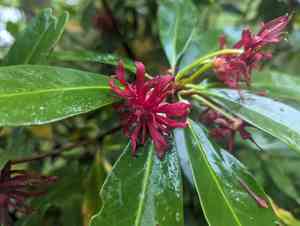
1
Purple Anise flourishes optimally with approximately 3-6 hours of daily sun exposure.
2
It is capable of enduring complete shade, though its bloom production might be less abundant.
3
Purple Anise could display indications of distress if subjected to excessive direct solar radiation for prolonged durations.
Understanding the Light Needs of Purple Anise
What Kind of Light is Best?
For peak development, Purple Anise thrives in partial sun. This means it should receive around 3-6 hours of direct sunlight daily, ideally in the morning or late afternoon when the sun's intensity is lower. Morning light is typically milder and less likely to scorch leaves, making it preferable for the plant's health.
Native Environment and Sun Exposure
In its natural setting, Purple Anise is frequently found in forest understories, where it receives filtered sunlight through the tree canopy. This semi-shaded environment mimics the conditions it prefers in a garden or landscape. Understanding this natural preference helps gardeners select the optimal planting site.
Ideal Light Conditions for Purple Anise Growth
Recommended Daily Sunlight Hours
Purple Anise requires approximately 3-6 hours of sunlight each day. Locating the perfect spot in your garden that provides the right amount can be crucial. Too little light can impede flower production, while too much can cause plant stress.
Impacts of Too Much or Too Little Light
When Purple Anise gets insufficient light, it may become elongated and produce fewer blooms. Conversely, excessive sunlight can lead to leaf burn, especially during the strongest midday hours. This stress can manifest as browning or brittle leaves, diminishing the plant's overall vitality.
Seasonal Light Changes
Sunlight strength and duration fluctuate with the seasons. In summer, the sun is high and days are long, whereas in winter, the sun is lower, and days are shorter. During peak summer, some afternoon shade can shield your Purple Anise from harsh rays. Conversely, in winter, ensuring it receives the maximum available light will help maintain its well-being.
Tips for Optimizing Light Exposure
Placing Purple Anise in Your Garden
When positioning Purple Anise in your garden, consider planting it on the east side, allowing it to enjoy the gentle morning sun. Alternatively, placing it beneath larger trees for dappled sunlight replicates its natural habitat and ensures it gets sufficient light without the risk of midday scorching.
Utilizing Supplemental Light Sources
If your garden doesn't offer ideal sunlight, you can supplement with artificial grow lights. Position the light close enough to provide the necessary illumination but ensure it mimics the natural daylight cycle by turning off at night.
Monitoring and Adjusting Light Levels
Regularly inspect your Purple Anise for indications of too little or too much light. If you observe stretched stems or sparse flowering, it might need more light. Burnt leaf tips or faded coloring could suggest excessive sun. Adjust accordingly by relocating the plant or providing protective shading.
Signs of Insufficient Light in Purple Anise
Identifying Symptoms of Excessive Light
Excessive light can appear in Purple Anise as scorched, brown, or crispy leaf edges. The plant's foliage might also become discolored, with bleached, faded areas appearing where the sun is too intense.
Identifying Symptoms of Inadequate Light
Symptoms of inadequate light include leggy growth and sparse blooming. Purple Anise might also develop smaller leaves and a paler green hue as it reaches towards the light source. In severe cases, the plant could become weak and more prone to disease.
Corrective Actions for Light Stress
If your Purple Anise displays signs of light stress, act quickly. For excessive sun, consider moving the plant to a shadier spot or using a shade cloth during peak hours. If the plant isn't getting enough light, try pruning nearby foliage to allow more light to reach it, or relocate it to a brighter area.



