How Much Sunlight Do American holly Need?
1
American holly flourishes in spots getting a minimum of six hours of direct sun daily.
2
While American holly endures some shade, ample sunlight encourages thicker leaves and brighter berries.
3
Correct placement of American holly is vital for its best development and well-being.
What is the Ideal Sunlight for American holly?
Optimal Sunlight Hours
For American holly to thrive, it requires an optimal amount of daily sunlight. The ideal duration is at least six hours of direct sun. This period enables efficient photosynthesis, fostering strong growth and lush, dense leaves. It's crucial to plant your American holly where it can receive most of the daylight.
Full Sun Exposure
Full sun exposure is vital for the healthy development of American holly. Full sun means the plant should be situated in a location where it gets direct sunlight for most, if not all, of the day. This complete exposure supports the plant's general well-being, promoting richer leaf color and increased berry yield. In regions with milder summers, this full sun dynamic is particularly advantageous.
Partial Shade Tolerance
American holly does show tolerance for partial shade, making it a versatile addition to your garden. While it can survive in less than ideal light conditions, the plant might not reach its full potential in terms of leaf density and berry output. If placing your holly in partial shade, ensure it still receives at least three to four hours of direct sunlight for satisfactory growth.
How Different Sunlight Conditions Affect American holly Growth
Leaf Color and Density
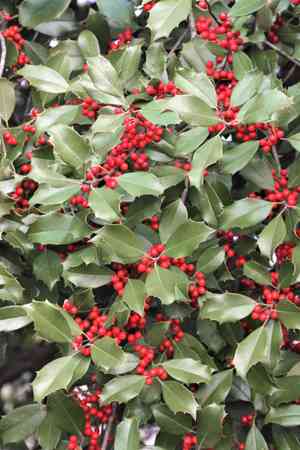
Sunlight significantly impacts the leaf color and density of American holly. In full sun, the leaves tend to be more vibrant and deeply colored. They also grow denser, providing a lush appearance. Conversely, in shadier conditions, the foliage may appear lighter in hue and less dense. Therefore, for the best visual appeal, ample sunlight is recommended.
Berry Production
Berry production in American holly is heavily influenced by sunlight exposure. With sufficient sunlight, these plants produce more berries, which are not only visually appealing but also beneficial for attracting wildlife like birds to your garden. In partial shade, berry output may decrease, and the berries might not be as vibrant. To maximize berry production, ensure your holly receives enough sunlight.
Overall Plant Health
The overall health of American holly is positively affected by the correct sunlight conditions. Sunlight aids in photosynthesis, which powers all the plant's growth processes. Full sun exposure results in a healthier plant that is more resistant to diseases and pests. While the plant can survive in partial shade, its roots, foliage, and berry production will be more robust with consistent, ample sunlight.
Positioning American holly in Your Garden
Best Locations for Optimal Sunlight
Choosing the right location for your American holly is crucial for plant health. The best spots are those that receive uninterrupted sunlight for most of the day. South-facing areas in your garden typically offer the best exposure. Avoid places where taller trees or buildings could cast shade, which might hinder the plantâs growth.
Indoor Placement
For those considering indoor placement for American holly, itâs essential to replicate outdoor conditions as much as possible. Position the plant near a south or west-facing window to maximize sunlight exposure. However, keep in mind that indoor settings rarely provide the same level of direct sunlight, so the plant might not grow as vigorously indoors as it would outside.
Avoiding Excessive Shade
While American holly can tolerate some shade, excessive shading should be avoided. Shaded conditions for the majority of the day can lead to sparse foliage and poor berry production. If your garden has more shaded areas, try to situate the plants at the garden edges where they might catch more light or consider pruning surrounding trees to allow more sunlight to reach the holly.



