How Much Sunlight Do Inkberry Need?
1
Inkberry flourishes optimally with over six hours of direct sun each day.
2
In intense summer heat, a bit of filtered light can shield Inkberry from scorching.
3
Observe your Inkberry's foliage for indications of sun damage or insufficient light exposure.
Grasping Inkberry's Light Requirements
Inkberry's Native Environment
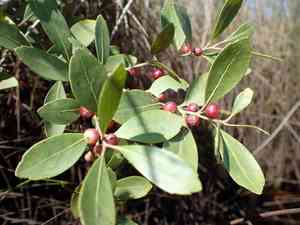
The Inkberry, a cherished evergreen shrub, originates from the fens and coastal plains of North America. It naturally flourishes in settings that offer a blend of sun and shade. Understanding its natural habitat offers insights into its adaptability and optimal cultivation in your garden. In its native setting, Inkberry frequently experiences full sun conditionsâat least six hours of direct sunlight dailyâbut it also benefits from occasional partial shade, particularly during the warmest parts of the day.
Seasonal Light Demands
Inkberry's light requirements can vary slightly across different seasons. During spring and fall, when solar intensity is lower, full sun exposure for six or more hours is ideal, fostering robust growth and vivid foliage. However, in the summer heat, extreme sun exposure can sometimes stress the plant. During these periods, providing a few hours of afternoon shade can be highly beneficial. In winter, Inkberry tolerates diverse light conditions but prefers some sun to maintain its health and vigor.
Optimizing Inkberry's Sun Exposure
Selecting the Ideal Garden Location
Choosing the perfect garden spot for your Inkberry is vital. Seek a location that receives a minimum of six hours of direct sunlight daily. A south-facing area is typically optimal, but a spot with morning sun and afternoon shade can also work well, especially in hotter climates. Remember to observe the area throughout the day to confirm it meets the light requirements before planting.
Modifying Sun Exposure
Over time, you might need to adjust your Inkberryâs sun exposure based on its development and seasonal shifts. If you observe signs of sun stress during summer, consider installing a shade cloth or strategically planting taller vegetation nearby to provide filtered sunlight during peak heat hours. In winter, removing any obstructions that cast long shadows can ensure your Inkberry receives the necessary light. Regularly monitor your plant and make adjustments as needed to sustain healthy growth.
Common Sunlight Challenges for Inkberry
Indicators of Excessive Sunlight
Too much sunlight can cause your Inkberry to display signs of distress. Look for scorched or sunburned leaves, which may appear brown or brittle at the edges. The plant might also wilt during the hottest parts of the day. Regularly inspecting your Inkberry during peak sunlight seasons will help you detect and address these symptoms early.
Indicators of Insufficient Sunlight
Conversely, inadequate sunlight can also be detrimental. Inkberry lacking sufficient sunlight often exhibits weak, leggy growth and sparse foliage. The leaves may become pale or lose their vibrant green color. Ensuring your plant receives the recommended amount of sunlight is crucial for preventing these issues.
Solutions for Sunlight Problems
If your Inkberry experiences sunlight issues, several remedies are available. For excessive sunlight, providing partial shade during the hottest parts of the day, either through strategic planting or temporary shade structures, can help. Ensure ample water is provided to counteract excessive heat. For insufficient sunlight, consider relocating your plant to a sunnier spot or trimming back overhanging branches that might be blocking light. Regular monitoring and prompt action will ensure your Inkberry remains healthy and thriving.



