How Much Sunlight Do Possumhaw Need?
1
Possumhaw flourishes in direct sunlight but can endure some shade.
2
Provide your Possumhaw with a minimum of 6 hours of daily sun exposure for peak development.
3
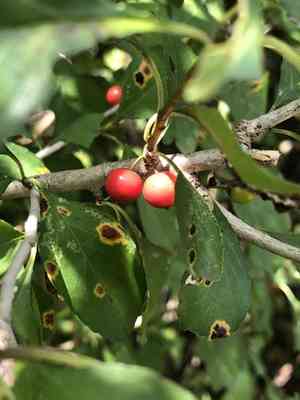
Observe for indications such as scorched foliage to determine if your Possumhaw is receiving excessive sunlight.
Grasping Possumhaw Light Needs
Optimal Illumination for Possumhaw
For Possumhaw, ideal light conditions involve receiving full sun for approximately six hours daily. Ample sunlight enables the plant to generate the necessary energy for vigorous development and abundant berry yield. However, Possumhaw can also thrive in partial sun, getting about 3-6 hours of daily sunlight. This adaptability makes it a great option for diverse garden areas.
Impact of Varying Light Levels
Different light intensities can significantly impact Possumhaw's well-being. While full sun encourages lush growth and prolific fruiting, insufficient light may result in poor foliage and fewer berries. Conversely, excessively strong sunlight, especially in warmer climates, could lead to leaf scorching. Achieving the correct balance is vital for your Possumhaw's health.
Ensuring Proper Sunlight for Possumhaw
Prime Planting Spots for Possumhaw
Selecting the best site for your Possumhaw is crucial for its successful development. Plant your Possumhaw in an area that receives at least six hours of direct sunlight each day. Ideal locations include south-facing garden beds or open spaces away from shading structures or larger trees. If full sun exposure isn't feasible, ensure it gets partial sunlight for at least part of the day.
Adjusting to Seasonal Changes
As seasons shift, so does the amount of sunlight your Possumhaw receives. In winter, when daylight hours are shorter, ensure your plant has maximum light access by pruning nearby trees and shrubs that might cast shadows. In summer, observe the plant for signs of overexposure and consider providing temporary shade if needed.
Indicators Your Possumhaw Lacks Sunlight
Symptoms of Insufficient Light
Recognizing signs of inadequate sunlight in your Possumhaw is crucial for prompt action. Common indicators include elongated, spindly stems, sparse leaf growth, and a lack of berry production. The leaves might also appear pale or yellowish, signaling the plant's difficulty in photosynthesizing effectively.
Rectifying Light Deficiencies
To correct light deficiencies, first confirm your Possumhaw is in a suitable spot. If it's in a heavily shaded area, consider relocating it to a more sunlit location. Additionally, trim any surrounding plants that might be blocking light. Regularly monitor your Possumhaw to ensure it receives the appropriate amount of sunlight throughout the day.
Can Possumhaw Receive Excessive Sun?
Identifying Sun-Damaged Leaves
Sun-damaged leaves clearly indicate that your Possumhaw is getting too much sun. Signs of sunburn include brown, crispy leaf edges, and in severe cases, complete leaf shedding. Regularly inspect the plant, especially during peak summer months, to prevent damage from excessive sun exposure.
Preventative Strategies
Preventing Possumhaw from getting too much sun involves placing it in an area with a balance of sun and shade. During extremely hot periods, consider using shade cloths to filter intense midday sun. Mulching around the base can also help retain soil moisture and protect roots from overheating. Consistent watering and monitoring will ensure your Possumhaw remains healthy and vibrant.



