How Much Sunlight Do Dahoon Need?
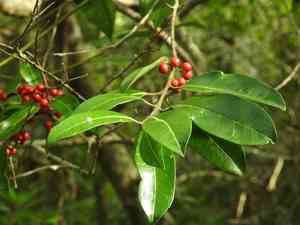
1
Dahoon flourishes optimally in partial shade yet can endure direct sun exposure.
2
Around 3 to 6 hours of daily sun is perfect for Dahoon.
3
Excessive or insufficient sunlight may negatively impact Dahoon's well-being.
Optimal Light Conditions for Dahoon
Full Sun: Advantages and Disadvantages
Full sun means direct light for at least six hours daily. While Dahoon can endure full sun, understanding its effects is key. Full sun promotes strong growth and vibrant foliage. However, it also increases the risk of leaf burn, particularly in hot summer months. If planting Dahoon in intense sun, monitor it closely to prevent dehydration and scorching.
Partial Shade: Ideal Environment for Dahoon
Dahoon thrives in partial shade, receiving roughly 3-6 hours of sunlight daily. Partial shade offers a balanced setting, providing enough light for photosynthesis without overwhelming the plant with intense heat. In these conditions, Dahoon develops healthy leaves while minimizing sun damage risk. It's the best setup for this plant to flourish.
How to Position Dahoon for Best Sun Exposure
Selecting the Right Outdoor Location
When placing Dahoon outdoors, choose a spot that gets morning sun and afternoon shade. This ensures the plant receives adequate light without enduring the harsh peak afternoon heat. If you live in a mild summer climate, Dahoon can tolerate more direct sunlight. Always observe your plant's reaction and adjust its position if you notice any stress signs.
Indoor Placement Advice for Dahoon
For indoor plants, position Dahoon near a window with bright, indirect light. East-facing windows are often perfect, offering gentler morning sun. If your indoor Dahoon isn't getting enough natural light, consider using supplemental artificial grow lights. Place grow lights about 30-45 cm (12-18 inches) above the plant and adjust as needed to ensure it gets the equivalent of 3-6 hours of light daily.
Indicators of Too Much or Too Little Sunlight for Dahoon
Symptoms of Sunburn in Dahoon
Sunburn in Dahoon appears as browning or yellowing of leaves, typically starting at the edges. You might also notice a crispy or brittle texture on damaged foliage. If these symptoms occur, it's vital to move the plant to a shadier spot and improve its watering regimen to aid recovery.
Signs of Insufficient Light
When Dahoon lacks adequate sunlight, it may exhibit etiolated growth, where stems become long and weak as they stretch towards the light source. Additionally, leaves might become pale or dull, and overall growth could slow. Moving the plant to a brighter location can correct these issues and help it regain robust health.
Adjusting Sunlight Exposure: Practical Tips for Dahoon
Seasonal Adjustments
Seasonal changes can affect the amount of light Dahoon receives. In summer, you might need to provide more shade to protect it from intense heat. In winter, with shorter daylight hours, consider moving it to a sunnier spot to compensate for reduced light. Regularly monitor the plant and adjust its placement seasonally to ensure consistent growth.
Utilizing Artificial Light Sources
If natural light is insufficient, especially in winter or indoors, artificial light sources can be very helpful. LED grow lights are an excellent choice, providing the full spectrum of light plants require. Position the lights about 30-45 cm (12-18 inches) above the Dahoon and mimic the natural daylight cycle by keeping them on for approximately 8-10 hours daily.



