How Much Sunlight Do Polka dot plant Need?
1
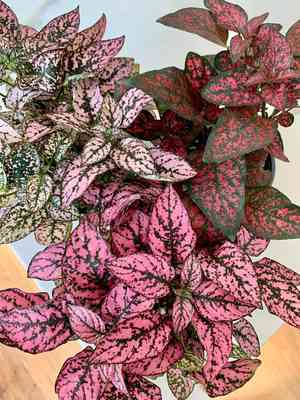
The Polka dot plant flourishes with approximately 3-6 hours of daily sun exposure.
2
Although it favors ample illumination, the Polka dot plant can endure dim light environments, making it a adaptable houseplant.
3
Shield your Polka dot plant from intense midday sun to avoid scorching its leaves.
Optimal Illumination for Polka dot plant
Preferred Light Conditions for Polka dot plant
The Polka dot plant thrives in bright, indirect light. While it appreciates a well-lit environment, direct sun can be too harsh, potentially scorching its leaves. Therefore, an area offering ample light without direct exposure is ideal. This could be near an east- or north-facing window, where light is bright but not overly intense.
Daily Light Requirements
Regarding daily light needs, the Polka dot plant flourishes with approximately 3-6 hours of partial sunlight. Morning sun, being typically gentler, is most beneficial. For indoor plants, placing it in a brightly lit room ensures sufficient light throughout the day. Adjust its position as needed to prevent overexposure, depending on light intensity.
Polka dot plant's Tolerance for Low Light
A notable characteristic of the Polka dot plant is its capacity to endure lower light conditions. Although it thrives in bright, indirect light, it can still grow in dimmer areas of your home. However, be aware that in reduced light, the vivid leaf colors may diminish, and the plant might become leggy. Regular observation and moving it to a slightly brighter spot can help maintain its vibrant appearance.
Placement for Optimal Polka dot plant Sunlight
Indoor Placement for Polka dot plant
When positioning your Polka dot plant indoors, place it near a window that provides bright, indirect light. Ideal spots include east-facing windowsills for gentle morning sun, and north-facing windows, which offer consistent light without harsh rays. Avoid placing it too close to south- or west-facing windows without protection, as afternoon sun can be too strong.
Outdoor Planting Suitability for Polka dot plant
The Polka dot plant can indeed be cultivated outdoors, but it requires a shaded location protected from direct sunlight. Partial shade beneath larger plants or sheltered areas like porches or patios that receive filtered or dappled sunlight are perfect. In regions with intense sun, ensure the plant is adequately shielded to prevent leaf burn.
Shielding Polka dot plant from Direct Sun
Direct sunlight, especially during midday, can be harmful to the Polka dot plant. To protect it, consider using sheer curtains if it's near a window receiving strong light. Outdoors, planting it under taller shrubs or employing shade cloth can help reduce intensity. Regularly inspect your plant for sunburn signs, such as browning or crisping leaves, and move it to a less exposed location if necessary.
Common Light-Related Issues for Polka dot plant
Indicators of Insufficient Light
If your Polka dot plant isn't receiving enough light, it will exhibit signs like stretching towards the light source, resulting in long, spindly stems. Additionally, the vibrant hues of its leaves may dull, and growth can be stunted. If these symptoms appear, gradually relocate your plant to a brighter area to enhance its light exposure.
Symptoms of Excessive Sunlight Exposure
Conversely, too much direct sunlight can cause the Polka dot plant's leaves to burn, leading to brown, crispy edges or spots. Overexposure to sun can also result in a bleaching effect, where the bright leaf colors fade to a pale yellow or white. If you observe these symptoms, promptly move your plant to a shaded location.
Adjusting Light for Enhanced Growth
To maximize your Polka dot plant's growth, it's crucial to regularly monitor and modify its light levels. If the plant isn't thriving, even with adequate water and nutrients, light might be the missing element. Experiment with different spots in your home or garden, remembering to avoid extremes of too little or too much light. Rotating the plant periodically can also ensure uniform growth on all sides.



