How Much Sunlight Do Bottle palm Need?
1
For optimal growth, the Bottle palm requires over 6 hours of direct sun daily.
2
Bottle palms can withstand some shade, particularly during the intense afternoon sun.
3
Signs of inadequate light exposure involve discolored foliage and stunted development.
Optimal Sunlight Requirements for Bottle palm
Ideal Light Intensity
The Bottle palm is a heliophile, flourishing with abundant illumination. Ideally, this slow-growing palm requires direct sunlight for no less than 6-8 hours daily. Sufficient light exposure facilitates efficient photosynthesis in the Bottle palm, fostering lush and sturdy development. If feasible, position your Bottle palm where it can absorb morning sun, which is typically less harsh than midday rays, yet still beneficial.
Duration of Sunlight Exposure
When assessing the necessary sunlight for your Bottle palm, consistent exposure is key. While these palms favor full sun for over six hours, they can adapt to partial shade. This adaptability is vital in regions with exceedingly hot afternoons, where filtered light can safeguard the plant from scorching. Remember, under four hours of sunlight can impede growth and alter leaf coloration, resulting in a notable decline in the plant’s overall vitality.
Effects of Insufficient Sunlight on Bottle palm
Symptoms of Light Deprivation
Should the Bottle palm not receive adequate sunlight, various signs of distress will emerge. Common indicators include leaf yellowing and stunted development. Fronds may stretch out as the plant endeavors to reach available light sources, and the palm will generally appear weaker and less vibrant. It's crucial to monitor these symptoms, as prolonged light deficiency can inflict permanent harm, making recovery for your palm more challenging.
Mitigating Light Shortages
To remedy insufficient light, you can relocate the plant to a brighter spot. If moving it isn't practical, consider supplementing with artificial grow lamps. These lights can emulate natural sunlight, delivering the necessary spectrum for the plant to perform photosynthesis effectively. Additionally, regular rotation of the plant ensures all sides receive uniform light exposure, promoting balanced growth and preventing the common problem of uneven development.
Effects of Excessive Sunlight on Bottle palm
Signs of Sunburn
Though the Bottle palm loves sunshine, excessive and intense light, especially during the hottest part of the day, can lead to sunburn. Symptoms to observe include bleached or brown, brittle leaf edges. Severe sunburn can penetrate deeper, harming the plant’s vital tissues and impairing its overall well-being. Early identification of these signs can help you implement corrective actions before more serious damage occurs.
Protecting Your Bottle palm from Overexposure
To shield your Bottle palm from too much sun, consider providing mid-day shade. This can be achieved by planting it near larger trees or employing shade cloths. Moving potted Bottle palms to a more sheltered position during peak sun hours can also be advantageous. During heatwaves, increased irrigation can help the plant cope with the added stress from high sunlight and heat. Proper mulching at the base can also retain soil moisture and protect root systems from overheating.
Best Practices for Positioning Bottle palm
Indoor Placement
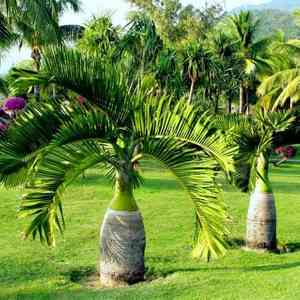
When cultivating your Bottle palm indoors, position it near a south-facing window to ensure ample sunlight. Guarantee it receives at least 6 hours of light to maintain its health. If natural light is limited, supplement with full-spectrum grow lights to replicate the sun. Avoid placing the plant in dimly lit corners, as it will struggle to thrive and retain its distinctive bottle-shaped trunk.
Outdoor Positioning
For outdoor placement, select a garden spot where the Bottle palm can enjoy full sun while being shielded from intense mid-day rays. East-facing areas are perfect as they receive the gentler morning sun. Ensure the soil drains well to prevent waterlogging, which can cause root rot. Consider using companion plants to create a natural dappled light environment, offering both sun and shade as needed.
Seasonal Sunlight Adjustments for Bottle palm
Adjusting Light During Summer
In summer, the sun's intensity rises, potentially leading to sunburn even for a sun-loving plant like the Bottle palm. Therefore, reposition your plant or provide shade during the hottest periods of the day. Regularly check for signs of overheating and ensure sufficient watering to help the plant manage heat stress. Installing temporary shading solutions, such as garden umbrellas, can effectively lessen the risks associated with strong summer sunlight.
Winter Sunlight Considerations
During winter, daylight hours shorten, and the sun's strength diminishes. If your Bottle palm is in a container, consider relocating it to a brighter indoor spot where it can still receive adequate light. If it's planted outdoors, ensure that obstructions like fallen leaves or snow are cleared to maximize the amount of sunlight reaching the plant. You might also use warm LED grow lights if natural light becomes extremely limited.



