How Much Sunlight Do Native frangipani Need?
1
Native frangipani flourishes optimally with a minimum of six hours of direct sun exposure each day.
2
Although it can endure some shade, ample sunlight promotes more robust development and brighter blooms.
3
Indicators of inadequate light include elongated stems and diminished flower production.
The Importance of Sunlight for Native Frangipani
Photosynthesis and Development
Sunlight is vital for photosynthesis, the process plants use to convert light into energy. For Native frangipani, ample sunlight ensures vigorous development, lush foliage, and overall strength. Without enough sunlight, the plant may struggle to produce necessary sustenance, leading to stunted growth and weak formation.
Blooming and Vitality
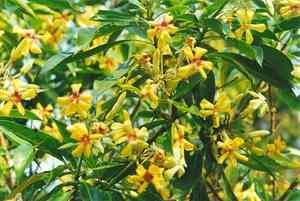
Native frangipani is prized for its fragrant, yellow blossoms. Sunlight is crucial for the plant to produce these beautiful flowers. Sufficient light guarantees the plant can sustain its flowering cycle, resulting in more abundant and healthier blooms. Furthermore, sun exposure helps the plant ward off diseases and pests, ensuring its health throughout its life cycle.
Required Sunlight for Native Frangipani
Full Sun vs. Partial Shade
Native frangipani thrives in full sun, meaning it should receive over 6 hours of direct sunlight daily. Full sun exposure promotes optimal growth and flowering. However, this plant can endure partial shade, especially in extremely hot climates, where some afternoon shade can prevent scorching. In partial shade, expect fewer flowers and slower growth.
Seasonal Light Requirements
Throughout the year, the sunlight needs of Native frangipani can vary slightly. During the active growing period (spring and summer), ensure the plant gets abundant sunlight to support its vigorous growth and flowering. In autumn and winter, it can handle a bit less light as its growth rate slows. Nevertheless, positioning the plant where it still receives substantial light is essential, even during the dormant season.
Optimal Locations for Native Frangipani Sun Exposure
Outdoor Placement
When planting Native frangipani outdoors, select a spot that receives full sun. A south-facing garden or an area not overshadowed by taller plants or structures is ideal. Ensure the plant has ample space around it to avoid competition for sunlight. If your region experiences very high temperatures, some afternoon shade might be beneficial to prevent leaf burn.
Indoor Positioning
If cultivating Native frangipani indoors, place it near a sunny window where it can receive ample light. South or west-facing windows are typically the best options. To maximize light exposure, rotate the plant periodically so all sides receive equal sunlight. If natural light is insufficient, consider supplementing with grow lights to ensure your Native frangipani remains healthy and flourishing.
Indicators Your Native Frangipani Needs More Sunlight
Foliage and Flowering Problems
A Native frangipani plant with insufficient sunlight will display several clear signs. You'll notice that the foliage becomes sparse, pale, or yellowish. Additionally, reduced sunlight affects flowering; the plant may produce fewer or no flowers, and existing flowers might appear less vibrant. Observing your plant's foliage and blooms can provide clues about its sunlight requirements.
Stretched Growth
Leggy growth is another indication that your Native frangipani requires more sunlight. The plant will stretch towards the light source, resulting in elongated stems with widely spaced leaves. This growth pattern makes the plant appear weak and unbalanced. Ensuring adequate sunlight helps maintain a compact and healthy shape, promoting strong and bushy growth.
Strategies to Maximize Sunlight for Your Native Frangipani
Pruning and Trimming
Regular pruning and trimming can help your Native frangipani receive more sunlight. Remove any dead or overcrowded branches to allow light to penetrate the plant's inner parts. Pruning not only aids with sunlight exposure but also encourages better air circulation and healthier growth. Always use clean, sharp tools for precise cuts, and avoid excessive pruning, which can stress the plant.
Utilizing Reflective Surfaces
Using reflective surfaces can increase the amount of light your Native frangipani receives. Place reflective materials, such as white walls or mirrors, around the plant to bounce light onto areas that might otherwise be shaded. This technique is particularly useful for indoor plants or in garden areas where natural light is not uniformly distributed. Reflective surfaces help ensure your Native frangipani gets as much light as possible.



