How Much Sunlight Do Water poppy Need?
1
Water poppy flourishes best with ample sunshine, needing a minimum of 6 hours of direct daily light.
2
Water poppy can tolerate some shade, though this might lead to reduced flower production.
3
An app designed for sunlight measurement can assist in precisely gauging your Water poppy’s light levels.
Optimal Light Requirements for Water poppy
Interpreting Full Sun Exposure
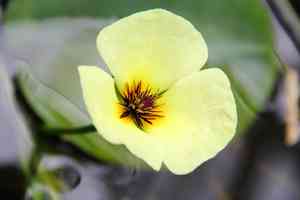
Full sun indicates your Water poppy will receive a minimum of six hours of direct solar illumination daily. This light quantity is vital for robust development and abundant flowering. When exposed to full sun, your Water poppy will display its attractive yellow blossoms to their peak beauty.
Partial Shade Necessities
While the Water poppy can endure partial shade, it's crucial to note that reduced light might lead to fewer blooms. Partial shade means the plant gets direct sunlight for only three to six hours per day, spending the remainder of the day in shadow. This situation could result in lush foliage but a diminished floral display.
Methods for Gauging Sunlight Exposure
Employing a Sunlight Application
Several smartphone applications are available to help you track the amount of sunlight your Water poppy receives. These apps leverage your phone’s sensors to measure light intensity and duration, providing accurate data to ensure your plant gets sufficient illumination.
Direct Observational Techniques
Another straightforward approach to assessing sunlight is through direct observation. Monitor the number of hours of direct sun your Water poppy gets by spending time near your garden or pond and manually noting the sun's path throughout the day. This hands-on method aids in better placement decisions.
Seasonal Light Adjustments for Water poppy
Winter Light Management
During colder months, the sun's angle shifts, potentially leading to less direct sunlight. If your Water poppy resides in a container pond, consider relocating it or supplementing with grow lights if natural light becomes sparse. Ensuring the plant gets at least six hours of light will maintain its health through winter.
Summer Light Modifications
In the height of summer, solar intensity can be extreme. Ensure your Water poppy is not exposed to harsh midday sun, which can cause leaf scorching. You might need to provide some afternoon shade using a floating cover or position it in an area that receives filtered light during the hottest part of the day.
Typical Light Problems and Solutions
Indicators of Excessive Sunlight
If your Water poppy receives too much solar exposure, you may observe scorched or browned foliage. Flowers might also appear faded or wilted. In such instances, consider reducing exposure by relocating the plant or providing partial shading during peak heat.
Indicators of Insufficient Sunlight
Conversely, if your Water poppy isn't getting enough light, you might notice elongated growth or fewer flowers. Leaves may also deepen in green as the plant attempts to maximize its limited light absorption. Ensuring a minimum of six hours of direct sunlight can prevent these issues.
Remedies and Corrective Actions
To resolve light-related problems, first determine whether your Water poppy is experiencing too much or too little light. Adjust its position accordingly to meet its required conditions. Use shade cloths for excessive light or trim overhanging branches that may be blocking sunlight. Additionally, consider artificial lighting solutions to augment natural solar exposure.
Cultivating the Optimal Environment for Your Water poppy
Prime Placement in Your Pond or Water Feature
For superior outcomes, position your Water poppy in an area of your pond or water garden where it can receive full sunlight for at least six hours daily. Ideally, place it where morning sunlight hits directly, as this is gentler than afternoon sun. Avoid locations beneath large trees or structures that cast shadows.
Utilizing Supplemental Lighting When Necessary
If natural sunlight is inadequate or inconsistent, consider employing artificial grow lights. These fixtures can emulate the sun's spectrum and can be programmed with timers to ensure your Water poppy gets the necessary daily light exposure. LED grow lights are particularly energy-efficient and can be situated over aquariums or near ponds to supplement natural illumination.



