How Much Sunlight Do Oakleaf hydrangea Need?
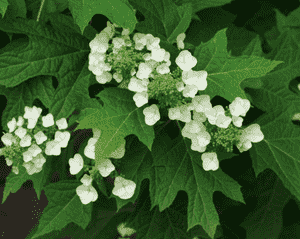
1
Oakleaf hydrangea flourishes optimally with around 4 to 6 hours of filtered sunlight daily.
2
Shield your Oakleaf hydrangea from intense midday sun, particularly in warmer regions.
3
Observe your plant for indicators of stress, like foliage changes, to modify its light conditions as needed.
Optimal Light for Oakleaf Hydrangea
Full Sun vs. Partial Shade
Oakleaf hydrangeas can thrive in both full sun and partial shade. For best results, exposure to morning sun followed by filtered or indirect light in the afternoon is ideal. This balance provides the necessary energy for abundant flowering while safeguarding the plant from heat stress and sun damage during the hottest periods. In cooler regions, your Oakleaf hydrangea can tolerate more direct sun, but in warmer climates, aiming for partial shade is recommended.
Seasonal Light Requirements
The light demands of an Oakleaf hydrangea fluctuate with the seasons. During spring and autumn, when temperatures are moderate, the plant may benefit from increased direct sunlight. However, in the height of summer, particularly in areas with extreme heat, providing ample shade is crucial to prevent leaf scorching. Conversely, in winter, when solar intensity is lower, maximizing sun exposure can be advantageous, especially if the plant has been pruned.
Selecting the Best Site for Your Oakleaf Hydrangea
North-facing vs. South-facing Aspects
When siting your Oakleaf hydrangea, the orientation of its location greatly influences its light reception. A north-facing spot typically offers consistent, diffused light, which is excellent for avoiding harsh sun. Conversely, a south-facing location will receive abundant sunlight, potentially necessitating management of exposure to prevent overexposure during peak hours, particularly in the afternoon.
Influence of Nearby Trees or Structures
Proximal trees and structures can establish a favorable microclimate for your Oakleaf hydrangea. Trees provide natural dappled shade, mimicking the plant's native understory habitat. Additionally, walls and fences can offer protection from strong winds and lessen sun exposure during the warmest parts of the day. However, be aware that excessive shade can impede growth and flower production. Achieving equilibrium ensures robust development and vibrant blooms.
Indicators Your Oakleaf Hydrangea Needs Light Adjustment
Leaf Discoloration and Wilting
A primary sign that your Oakleaf hydrangea is receiving insufficient or excessive light is observable through its foliage. If the plant gets too much sun, you might notice leaf burn, appearing as browned or yellowed edges on the leaves. Conversely, if the plant isn't getting enough light, the leaves might appear limp or pale. Observing leaf hue and turgidity offers valuable insights into its light needs.
Flower Quality and Quantity
Sunlight directly impacts the standard and volume of your Oakleaf hydrangea's flowers. Insufficient light can result in fewer and smaller blooms, while too much sun can cause them to fade prematurely and lose their vividness. If you observe changes in flower production, it might signal that your plant requires a light adjustment. Strive for a balance where the plant receives adequate light to produce lush blooms without suffering from overexposure.
Strategies for Modifying Light Exposure
Utilizing Shade Cloths or Reflective Mulch
If your Oakleaf hydrangea is receiving excessive direct sunlight, consider deploying shade cloths to shield it from intense sun rays, especially on peak summer days. Reflective mulch can also be beneficial by diverting surplus light and maintaining cooler soil temperatures. These techniques can effectively create a balanced light environment, ensuring your plant remains vigorous and healthy.
Relocating to a More Suitable Site
If temporary measures for adjusting light exposure prove inadequate, you may wish to consider moving your Oakleaf hydrangea. Select a location that better aligns with its light requirements, such as an area that receives morning sun and afternoon shade. Early spring or fall is the optimal time for transplanting, as moderate temperatures reduce stress on the plant. Remember to water it thoroughly after relocation to aid its establishment in the new setting.



