How Much Sunlight Do Spanish bluebell Need?
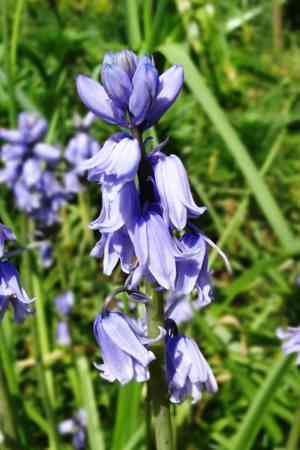
1
Spanish bluebells flourish in dappled light, getting roughly 3-6 hours of sun each day.
2
They can endure direct sun, though extra attention might be needed to avoid scorched foliage.
3
Early day sun is especially good for Spanish bluebells, encouraging robust development.
Understanding Light Requirements for Spanish Bluebells
Why Light Matters for Spanish Bluebells
Light is vital for Spanish bluebells for several reasons. Primarily, it's crucial for photosynthesis, the process where plants convert light into energy. Without sufficient light, these lovely spring bloomers may struggle to produce their characteristic blue-purple flowers. Light also helps regulate the plant's internal rhythm, ensuring proper growth timing.
Photosynthesis in Spanish Bluebells
Photosynthesis is the lifeblood of Spanish bluebells. This process enables the plant to absorb light through its leaves, transforming it into chemical energy stored as glucose. Oxygen is released as a byproduct, contributing to the air we breathe. Thus, light not only supports the growth and flowering of Spanish bluebells but also plays a key ecological role.
Optimal Light Conditions for Spanish Bluebells
Partial Shade vs. Full Shade
Spanish bluebells are adaptable and can flourish in both partial and full shade. Partial shade, meaning they get about 3-6 hours of daily light, is usually most beneficial. This condition mimics their natural woodland habitat, providing filtered light throughout the day. Full shade can also work, especially in hotter climates, but might result in fewer blossoms.
Morning Light Advantages
Morning light is particularly beneficial for Spanish bluebells. The gentler, cooler morning rays provide necessary energy without the risk of overheating or leaf burn. Positioning your plants to receive morning light but be shaded during the intense afternoon sun is an ideal strategy for peak growth and flowering.
Common Light Challenges for Spanish Bluebells
Excessive Light Exposure
While Spanish bluebells can endure full sun, too much light, especially during peak afternoon hours, can cause issues. Leaf scorch, dehydration, and stunted development are common problems when plants receive excessive direct light. To prevent this, consider providing partial shade using taller plants or artificial structures like shade cloths.
Insufficient Light Exposure
Conversely, too little light can impede the growth of Spanish bluebells. Without adequate light, photosynthesis slows, leading to less vigorous growth and fewer blooms. If you notice your plants becoming leggy or producing fewer flowers, they might need more access to light. Moving them to a slightly brighter spot can help.
Adapting to Seasonal Changes
Spanish bluebells naturally bloom in spring, so their light needs can vary throughout the year. In winter, when light is weaker, they can tolerate less. However, during their active spring growing season, ensuring they receive ample morning light is crucial for their performance.
Maximizing Growth with Proper Light
Best Planting Locations
When planting Spanish bluebells, select spots that resemble their natural environment. Under deciduous trees, where they can get spring light before the canopy fills in, is perfect. These locations provide the light they need, while the trees offer protection from intense summer sun. Garden borders with partial shade are also excellent choices.
Using Shade Cloths and Barriers
If natural shade is limited, using shade cloths or barriers can help manage light exposure. These tools can shield your Spanish bluebells from harsh light, especially during peak summer months. Ensure the shade cloth allows some light to pass through, creating an environment similar to dappled forest light.
FAQs About Spanish Bluebells and Light
Can Spanish Bluebells Grow Indoors?
While Spanish bluebells are primarily outdoor plants, they can be cultivated indoors if given sufficient light. Using grow lights can mimic their light requirements, ensuring they get the energy needed for photosynthesis. Make sure they are in a well-ventilated area to simulate natural outdoor conditions.
Do Spanish Bluebells Need Direct Light?
Spanish bluebells do not require direct light all day. They thrive best with partial shade, receiving a few hours of direct morning light followed by filtered shade for the rest of the day. Direct afternoon sun can be too intense and cause leaf damage.
How Do I Know If My Spanish Bluebells Are Getting Enough Light?
If your Spanish bluebells are flourishing, showing lush green foliage, and producing vibrant blooms, they are likely receiving the correct amount of light. Conversely, if the leaves appear scorched, or the plant is leggy and not blooming well, you may need to adjust their light exposure. Regularly observe their condition and make necessary changes.



