How Much Sunlight Do Japanese raisin tree Need?
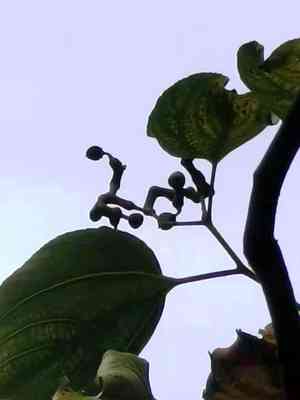
1
The Japanese raisin tree flourishes with more than 6 hours of direct sun each day.
2
This tree endures some shade but favors full sun for best development.
3
Excessive shade may result in reduced fruit yield and slower development.
Understanding Sunlight Requirements
What Type of Sunlight is Best for Japanese raisin tree?
The Japanese raisin tree thrives optimally with full sun exposure. Full sun signifies that the tree should receive direct solar illumination for over six hours daily. The quantity and quality of light directly influence the tree's vitality and its capacity to yield those delightful, raisin-like fruits. When selecting a planting site, ensure it is clear of shaded areas and receives a generous amount of daylight.
Direct Sunlight vs. Indirect Sunlight
Unfiltered sunlight is crucial for the Japanese raisin tree. Direct sunlight refers to uninterrupted solar rays, which aid in the vital process of photosynthesis. Conversely, reflected light, or indirect sunlight, may not be sufficient for this tree's optimal development. If the tree only receives indirect sunlight, it might not flourish as anticipated, impacting its growth and fruit yield.
Ideal Sun Hours for Optimal Growth
For peak development, the Japanese raisin tree needs at least 6 to 8 hours of direct sunlight daily. This duration ensures the plant can efficiently perform photosynthesis, generating the energy required for robust growth and fruit production. Insufficient light can hinder growth and decrease the number of fruits the tree produces.
Effects of Sunlight on Growth
Photosynthesis and Energy Production
Sunlight is pivotal for photosynthesis, the mechanism by which the Japanese raisin tree transforms light energy into chemical energy. This energy is essential for the treeâs growth, development, and fruit yield. Adequate sunlight guarantees the tree produces enough energy to sustain its various functions, leading to a flourishing plant.
Development of Leaves and Fruits
Appropriate sunlight exposure isn't solely about energy; it also concerns the quality of growth. The Japanese raisin tree develops more robust foliage and superior quality fruits when it receives ample sunlight. Sunlight guides the treeâs structural development, ensuring abundant and high-quality fruits. Without sufficient light, you might observe smaller, less flavorful fruits.
Signs of Too Much or Too Little Sun
Recognizing indicators of improper sunlight exposure can safeguard your Japanese raisin tree from potential problems. Excessive sun can lead to sun scorch, where leaves become brown and brittle. Conversely, inadequate sun results in weak growth and fewer fruits. Adjusting the treeâs exposure can mitigate these issues, ensuring a healthy and productive plant.
Planting and Positioning
Choosing the Right Location
Selecting the ideal location is vital for your Japanese raisin tree. Ideally, pick a spot with southern or western exposure to guarantee it receives ample sun. Avoid areas heavily shaded by buildings or larger trees. Consider an open space in your garden where the tree can bask in uninterrupted sunlight for most of the day.
Adjusting Sun Exposure with Seasonal Changes
Seasons can impact sunlight availability. In spring and summer, when the sun is more intense, your Japanese raisin tree will naturally receive plenty of light. However, in fall and winter, you might need to re-evaluate its placement or consider trimming overhanging branches to ensure it continues to get sufficient sunlight. Monitoring seasonal shifts and adjusting accordingly can keep your tree healthy year-round.
Using Outdoor Structures to Control Sunlight
Sometimes, external structures can help manage sunlight exposure. For instance, employing a shade cloth can shield the tree from excessive sunlight during peak summer hours, preventing sun scorch. Similarly, temporary structures like umbrellas or tarps can be used as needed to protect the tree without blocking all sunlight. These tools offer flexibility in managing the tree's sunlight, especially during extreme weather conditions.
Common Sunlight-Related Issues
Sun Scorch Symptoms and Prevention
Sun scorch is a frequent problem where leaves appear burned and crispy at the edges due to excessive sunlight. To prevent this, ensure your Japanese raisin tree gets plenty of water during hot days and consider using shade cloth during the peak afternoon sun. Also, mulching around the base helps retain soil moisture, protecting roots from overheating.
Dealing with Shade-Loving Weeds
Weeds that prefer shade can flourish in the shadow of your Japanese raisin tree and compete for nutrients. Regularly inspect the base and surrounding area of the tree, removing any weeds promptly. Maintaining a clean and weed-free zone ensures that the tree receives all the nutrients and sunlight it needs without competition.
Corrective Measures for Light Deficiency
If your Japanese raisin tree exhibits signs of light deficiency, such as sparse foliage and poor fruit production, corrective actions are necessary. Consider pruning nearby plants or structures to allow more sunlight to reach the tree. In extreme cases, you might need to move the tree to a sunnier location to ensure it receives adequate sunlight for healthy growth.



