How Much Sunlight Do Heliotrope Need?
1
Heliotrope performs optimally with extensive sun exposure, requiring over six hours of direct solar radiation each day.
2
For indoor cultivation, providing Heliotrope with supplemental grow lights can be highly advantageous.
3
Observe Heliotrope for indicators of sun scorch, which may suggest an excessive amount of direct sun exposure.
Deciphering Heliotrope's Light Requirements
The Vital Role of Sunlight for Heliotrope Development
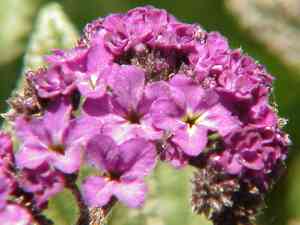
Sunlight is essential for the healthy development of Heliotrope. This charming plant produces clusters of fragrant, deep purple blooms and requires ample light to flower and maintain its vivid coloration. Light not only supports the plant's overall vitality but also strengthens its resilience against diseases and pests.
Heliotrope's Photosynthesis Process Explained
Photosynthesis is the fundamental mechanism by which Heliotrope transforms solar energy into usable power. During this process, chlorophyll in the foliage absorbs light, converting carbon dioxide and water into sugars and oxygen. This energy drives growth and blossom production, making sufficient light exposure indispensable.
Optimal Lighting Conditions for Heliotrope
Recommended Daily Sunlight Exposure
Heliotrope flourishes in bright sun, ideally receiving over 6 hours of direct sunlight daily. However, in extremely warm climates, providing some afternoon shade can shield the plant from intense rays and prevent leaf scorch.
Prime Locations for Cultivating Heliotrope
The most suitable places to cultivate Heliotrope are areas that receive consistent, direct solar exposure. Excellent settings include south-facing garden beds, window ledges, or patio containers. When planting outdoors, select sites clear of obstacles that might cast unwanted shadows.
Addressing Common Sunlight-Related Problems in Heliotrope
Recognizing Sun Damage on Heliotrope Foliage
Sunburn on Heliotrope is evident by singed, yellowing, or brown leaves, often beginning at the margins. If these symptoms appear, it's crucial to provide immediate shade during peak sunlight hours to prevent further harm.
Shading Solutions for Excessive Sunlight
If your Heliotrope is getting too much sun, consider employing shade cloths or relocating the plant to a spot with filtered light during the hottest parts of the day. This can help alleviate the stress caused by overexposure to light.
Remedies for Insufficient Sunlight in Heliotrope
A Heliotrope lacking adequate sunlight will display leggy growth and reduced flowering. To correct this, move the plant to a sunnier position. If relocation isn't feasible, supplement natural light with grow lights to ensure it receives the necessary illumination.
Enhancing Sunlight with Artificial Illumination
Suitable Grow Light Varieties for Heliotrope
Ideal grow lights for Heliotrope are those that simulate natural sunlight, such as full-spectrum LED or fluorescent fixtures. These lights deliver a balanced light spectrum that promotes robust growth and prolific blooming.
Effective Grow Light Usage Strategies
When utilizing grow lights for Heliotrope, position them approximately 20-30 centimeters (8-12 inches) above the plant and keep them active for about 12-16 hours daily. Be sure to adjust the duration based on seasonal daylight changes to align with natural growth cycles.



