How Much Sunlight Do False sunflower Need?
1
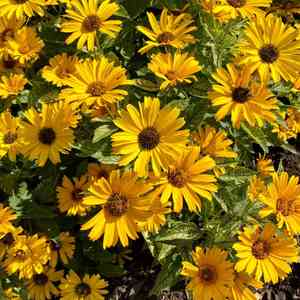
False sunflower 1 flourishes optimally with more than six hours of direct sunlight each day.
2
Although False sunflower 2 can endure partial sun, it will prosper most effectively with complete sun exposure.
3
Indicators of inadequate sunlight include elongated stems and sparse flowering.
Ideal Light Conditions for False sunflower
Full Sun Requirement
For optimal development and vibrant blossoms, False sunflower demands full sun exposure. This means it should receive more than 6 hours of direct sunlight daily. Full sun enhances the plant's photosynthetic efficiency, leading to vigorous growth and abundant flowering. When planning your garden, select a south-facing area that allows this sun-loving plant to soak up light for most of the day.
Partial Sun Adaptability
While False sunflower prefers full sun, it can endure partial sun conditions. Partial sun typically means the plant gets approximately 3 to 6 hours of direct sunlight per day. If full sun isn't feasible, especially in hotter regions, providing morning sun with some afternoon shade might still result in a healthy, though slightly less robust, plant. However, extended partial shade can hinder its blooming potential.
The Importance of Sunlight for False sunflower
Photosynthesis and Development
Sunlight is the primary driver of photosynthesis, the process by which False sunflower converts light into the energy needed for growth. Adequate sunlight enables the plant to produce sufficient chlorophyll, resulting in a vivid green color and strong structural formation. Insufficient sunlight can impede growth, making the plant weak and elongated.
Flowering and Bloom Period
For False sunflower, sunlight directly impacts its capacity to produce flowers. Sufficient sunlight ensures the plant generates the energy required to support extensive blooming. When bathed in full sun, you'll observe False sunflower reaching its peak blooming potential with a profusion of bright yellow flowers, enhancing the garden's beauty. Conversely, limited sunlight may lead to fewer and smaller blooms, diminishing its visual appeal.
Indicators of Inappropriate Sunlight Exposure
Excessive Sunlight
Although False sunflower thrives in full sun, extreme heat or too much direct sunlight can cause stress. Signs of excessive sunlight include scorched or sunburned leaves with brown, crisp edges. In very hot climates, providing a bit of afternoon shade can help protect the plant from these harsh conditions.
Insufficient Sunlight
Inadequate sunlight can severely impact the health and appearance of False sunflower. Symptoms of too little sunlight include leggy stems, reduced flowering, and pale or yellowing leaves. If your plant exhibits these signs, consider moving it to a sunnier location to help it flourish.
Best Practices for Providing Sunlight to False sunflower
Optimal Garden Placement
To ensure False sunflower receives its ideal amount of sunlight, choose the right spot in your garden. A south-facing location is often best as it will provide the longest duration of sunlight. Ensure there are no large trees, structures, or other plants blocking sunlight from reaching your False sunflower. Additionally, consider the growth habit and height of nearby plants that might cast shadows as they mature.
Seasonal Adjustments
Sunlight availability changes with the seasons, and False sunflower care should adapt accordingly. In spring and summer, when the sun is stronger and lasts longer in the day, full exposure is maximized. However, in autumn and winter, days are shorter, and light intensity decreases. If your False sunflower is in a position that struggles with winter light, consider pruning nearby plants to reduce shading or even using reflective surfaces to enhance light.



