How Much Sunlight Do Parrot's beak Need?
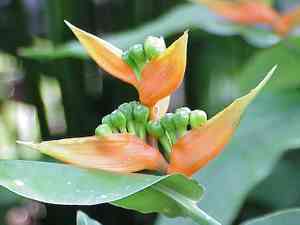
1
Parrot's beak flourishes optimally with moderate sun exposure, usually 3-6 hours daily.
2
Although it endures full sun, excessive direct light may scorch its foliage.
3
Variations in seasons impact the sun exposure your Parrot's beak gets, so modify its position as needed.
Grasping Light Needs for Parrot's beak
Light Strength
The power of light is vital for Parrot's beak's development and health. These plants thrive in bright, yet indirect, sunlight. Direct exposure to strong midday sun can cause leaf burn. For peak health, aim for moderate light, similar to conditions beneath a light tree canopy.
Exposure Period
Parrot's beak plants perform best with roughly 3-6 hours of daily sunlight. This duration allows for sufficient photosynthesis for healthy growth without the risk of excessive sun damage. Position your plant to receive morning sun, which is less intense than afternoon sun, for optimal outcomes.
Seasonal Changes
Seasonal shifts affect sunlight availability and quality. During summer, ensure your Parrot's beak has partial shade to avoid harsh midday sun. Conversely, in winter, as days shorten, you may need to relocate your plant to a sunnier spot for adequate light. Adjusting its position seasonally guarantees consistent light year-round.
What is the Ideal Sunlight Type for Parrot's beak?
Full Sun vs. Partial Shade
Parrot's beak can endure full sun, but it truly flourishes in partial shade. Full sun, especially in hot climates, can be too strong and lead to leaf harm. Partial shade, offering filtered sunlight, mimics the plantâs natural habitat and promotes lush growth. If your plant site is in full sun, consider some form of midday shade protection.
Direct vs. Diffused Sunlight
Direct sunlight means the sunâs rays hit the plant unfiltered, while indirect sunlight is scattered by objects like trees or curtains. For Parrot's beak, bright indirect sunlight is perfect. Direct sunlight can scorch leaves, while too little light can hinder growth. Place your plant near east-facing windows or in areas with diffused natural light for best results.
Common Sunlight Problems for Parrot's beak
Indicators of Excessive Sunlight
If your Parrot's beak receives too much direct sunlight, it will show signs of distress. Look for scorched, brown, or brittle leaf edges. A bleached or faded appearance in the foliage also signals overexposure. Moving your plant to a partially shaded spot can help alleviate these symptoms and aid recovery.
Indicators of Insufficient Sunlight
Inadequate sunlight can cause Parrot's beak to develop leggy growth, pale green leaves, and reduced blooming. The plant stretches toward the light source, resulting in weak, elongated stems. If you observe these signs, gradually move your plant to a brighter location, being careful not to shock it with sudden exposure.
Best Practices for Managing Parrot's beak Sunlight
Optimal Placement
For peak growth, position your Parrot's beak where it gets morning sunlight and afternoon shade. East-facing windows are particularly beneficial, offering bright, indirect light. If indoor light is insufficient, consider using grow lights to supplement natural light.
Using Shade Cloths or Screens
Employing shade cloths or screens can shield your Parrot's beak from the intense midday sun. These tools diffuse and filter sunlight, creating a more controlled light environment. This is especially useful during peak summer months when sunlight intensity is highest.
Indoor vs. Outdoor Light Management
Managing sunlight for indoor Parrot's beak plants involves ensuring placement near bright, indirect light sources like east or north-facing windows. For outdoor plants, strategically position them in spots receiving morning light and protected from intense afternoon sun. Using movable pots also helps adjust placement with seasonal changes.



