How Much Sunlight Do Moon cactus Need?
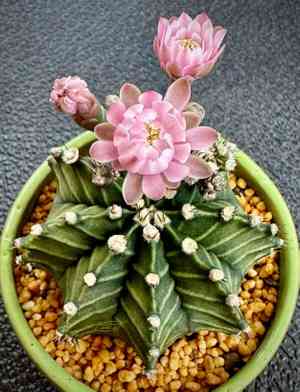
1
Moon cacti flourish with 4-6 hours of diffused light each day.
2
Excessive direct sun exposure can lead to scorching on the vibrant top section of the Moon cactus.
3
A Moon cactus exhibiting light-colored, elongated growth probably isn't getting enough light.
Grasping the Light Needs of the Moon Cactus
Ideal Illumination Conditions for Moon Cactus
The Moon cactus thrives in brilliant, diffused light. It should ideally get around 4-6 hours of sun each day. While it can endure some direct sun, too much can be detrimental. A location receiving morning sun and shielded from intense afternoon rays is optimal. This exposure level helps the cactus keep its vivid hues and supports robust development.
Indicators of Excessive Sunlight on Moon Cactus
Exposing your Moon cactus to an abundance of direct sunlight can cause harm. Signs of sun damage include fading or yellowing of the color on the upper grafted part of the cactus. Another sign is the appearance of scorched or brown areas. If these symptoms appear, consider relocating your cactus to a less directly lit spot.
Indicators of Insufficient Sunlight on Moon Cactus
A Moon cactus not receiving adequate sunlight will display several signs of distress. A prominent indicator is etiolation, where the cactus elongates and grows taller than usual, seeking more light. Additionally, its bright colors may diminish, and the plant might become weaker. To correct this, gradually increase its exposure to indirect sunlight.
Locating the Perfect Position for Your Moon Cactus
Indoor vs. Outdoor Placement for Moon Cactus
Deciding whether to place your Moon cactus indoors or outdoors depends on the climate and your homeâs configuration. Indoors, the cactus should be situated in a spot that mimics its natural requirement for bright, indirect sunlight. Outdoors, ensure it is in a shaded area where it can receive filtered sunlight, thereby preventing sunburn and fostering healthy growth.
Optimal Windows for Indoor Moon Cactus Placement
For indoor environments, window placement is vital. East or west-facing windows are perfect as they provide bright, indirect light. An east-facing window offers gentle morning sun, while a west-facing window provides ample evening light. South-facing windows can work if you use sheer drapes to diffuse the intense midday sun.
Consistent Light Exposure
Maintaining steady light exposure ensures your Moon cactus stays healthy throughout the year. Try to avoid placing the cactus in locations where the light fluctuates significantly, such as beneath a tall shelf or in a room that is only occasionally bright. Keeping the light conditions stable supports the cactusâs growth and helps it retain its stunning coloration.
Adjusting Light Conditions for Seasonal Shifts
Winter Light Adjustments for Moon Cactus
During winter, sunlight intensity diminishes, and days are shorter. To ensure your Moon cactus gets sufficient light, consider moving it closer to a window where it can receive as much indirect light as possible. If natural light is inadequate, you might use a grow light for about 6-8 hours daily to supplement.
Summer Light Adjustments for Moon Cactus
In the summer, sunlight is more intense, and days are longer. Your Moon cactus might require some protection from the harsh midday sun to prevent sunburn. Placing it behind sheer curtains or moving it to a slightly shadier spot can help. It's crucial to observe the plant for any signs of stress and adjust its position accordingly.



