How Much Sunlight Do Fragrant orchid Need?
1
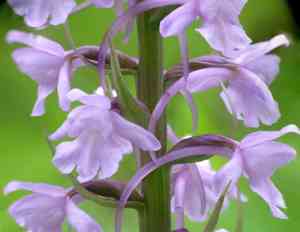
The fragrant orchid flourishes in full sun, indicating more than six hours of direct solar exposure daily.
2
Ideal light levels for the fragrant orchid fall between 15,000 and 30,000 lux.
3
Throughout the colder months, the fragrant orchid might need additional artificial illumination to sustain robust development.
Ideal Light Conditions for Fragrant Orchid
Natural Environment and Light Preferences
The Fragrant orchid is a beautiful perennial thriving in settings that mirror its native habitats, typically grasslands and marshlands. These plants are accustomed to receiving abundant direct sunlight, often more than 6 hours daily. Understanding its natural home is crucial for replicating similar conditions in your indoor or outdoor space.
Recommended Light Intensity
For robust development and vibrant flowering, aim for light intensity levels between 15,000 to 30,000 lux. In foot-candles, this translates to roughly 1,400 to 2,800 fc. This light intensity can be achieved near a south-facing window, which typically provides the maximum daylight throughout the day.
Seasonal Light Changes
The quantity of available sunlight varies with the seasons. During summer, your Fragrant orchid will naturally receive ample light. However, in winter, light levels decrease considerably. To compensate, consider relocating the orchid to a brighter spot or supplementing with artificial grow lights to ensure it continues to get sufficient illumination.
Replicating Natural Light Indoors
Selecting the Right Indoor Location for Your Fragrant Orchid
Finding the ideal indoor location is vital. A south-facing window is perfect for providing consistent light all day. If unavailable, an east- or west-facing window can be adequate, though you may need to observe the plant and adjust its position based on its growth responses.
Utilizing Supplemental Lighting
Artificial lights can be incredibly beneficial, especially during shorter winter days. Full-spectrum LED grow lights are an excellent option as they closely mimic natural sunlight, delivering the necessary wavelengths for photosynthesis without generating excessive heat.
Monitoring Light Exposure
Track the light quantity your Fragrant orchid receives using a light meter. This device helps ensure your plant gets optimal light intensity. Furthermore, observing your plant’s foliage can offer clues; healthy leaves should be vibrantly green without any signs of yellowing or scorching.
Recognizing Light Stress in Fragrant Orchid
Indicators of Insufficient Light
Without adequate light, Fragrant orchid may display sluggish growth, smaller foliage, and reduced blooming. The leaves might also deepen in color as the plant attempts to absorb more light.
Signs of Excessive Light
Conversely, too much direct sunlight can lead to leaf scorching, evident by burned patches or brown tips on the leaves. If these symptoms appear, it indicates the plant needs to be moved to a less intense light environment or provided with some shade during peak sun hours.
Correcting Light Conditions
If you notice signs of light stress, promptly modify the light conditions. For insufficient light, consider moving the plant to a brighter location or adding a grow light. For excessive light, offer shading during peak sunlight hours or relocate the plant to a spot receiving indirect light.
Common Questions About Fragrant Orchid Sunlight Requirements
Can Fragrant Orchid Thrive in Dim Light?
While Fragrant orchid can endure in low-light conditions, it will not flourish. In dim light, the plant may not bloom, and its growth will be significantly stunted. For optimal health and flowering, ensure it receives the recommended amount of sunlight.
What is the Best Time of Day for Light Exposure?
Morning sunlight is most beneficial for Fragrant orchid as it is less intense and lowers the risk of leaf burn. Positioning your plant to receive morning sun, followed by indirect light for the rest of the day, is ideal.
How to Shield Fragrant Orchid from Intense Sun?
To protect your orchid from excessive sunlight, consider using sheer curtains to diffuse strong midday sun. Moving the orchid slightly away from the window during peak sun hours or ensuring it is shaded by other plants can also help mitigate direct exposure.



