How Much Sunlight Do Broom snakeweed Need?
1
Broom snakeweed flourishes with ample direct sunlight, needing a minimum of 6 hours daily.
2
Although Broom snakeweed endures some shade, its bloom production might be reduced.
3
Adequate light exposure aids Broom snakeweed in developing stronger defenses against pests and illnesses.
What Light Conditions Does Broom Snakeweed Require?
Ample Direct Sun Exposure
For peak development, Broom snakeweed needs to be situated where it receives ample direct sunlight. This means the plant should get at least six hours of unfiltered sun daily. Full sun encourages vigorous growth, rich foliage, and prolific blooming, making it a standout in your garden.
Partial Shaded Environments
Broom snakeweed can endure partial shade, meaning it can still grow with approximately 3-6 hours of sunlight. However, in partial shade, anticipate fewer blossoms and a slightly less vigorous appearance. Partial shade is suitable if your garden lacks areas with continuous direct sunlight.
Avoiding Dimly Lit Areas
It's crucial to avoid placing Broom snakeweed in dimly lit conditions. With less than three hours of sunlight, the plant may struggle to flourish. You might observe elongated growth, poor flowering, and increased vulnerability to pests and diseases. Ensuring sufficient sunlight is vital for a healthy and robust plant.
How to Select the Optimal Site for Broom Snakeweed?
Evaluating Your Garden's Illumination
Before planting Broom snakeweed, carefully observe your garden's light patterns. Identify spots that receive full sun and note any areas that are shaded for part of the day. A simple method is to mark times when different sections get direct sunlight. This aids in selecting the ideal planting location.
Cultivating in Various Climates
In warmer climates, Broom snakeweed will benefit from morning sun and some afternoon shade to prevent excessive heat stress. In cooler regions, choosing a spot that gets uninterrupted sunlight throughout the day can maximize growth and flower production. Adjustments based on your local climate conditions can ensure the plant gets the right amount of sun.
When to Modify Sunlight for Broom Snakeweed?
Seasonal Light Fluctuations
Seasonal shifts can impact the amount of sunlight your Broom snakeweed receives. During summer, the sun is higher, and plants may receive more intense, prolonged sunlight. In contrast, winter may bring lower light levels. Adjusting its position or ensuring nearby plants/structures don't overshadow it will help maintain optimal sunlight year-round.
Indicators of Light Stress
Look for signs of light stress in your Broom snakeweed. If the leaves begin to yellow, become scorched, or the plant appears leggy, it might be getting too much or too little light. Adjusting its exposure can resolve these issues, ensuring the plant remains healthy and vibrant.
What Are the Advantages of Adequate Sunlight for Broom Snakeweed?
Enhanced Development and Vitality
Appropriate sunlight exposure ensures that Broom snakeweed develops vigorously. Full sun promotes photosynthesis, essential for the plant's energy production, leading to stronger stems and healthier overall development.
Increased Flowering
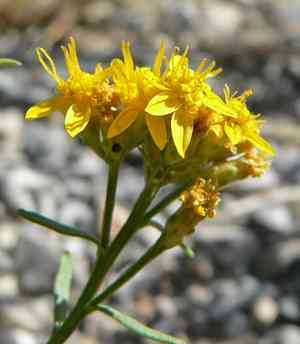
More sunlight leads to more blooming. Broom snakeweed with adequate sunlight will produce an abundance of beautiful yellow flowers, adding vibrant color to your garden and attracting pollinators.
Pest and Disease Resilience
Sufficient sunlight boosts the natural resistance of Broom snakeweed to pests and diseases. A well-lit environment helps the plant's immune system, reducing the risk of infestations and infections.



