How Much Sunlight Do Balloon plant Need?
1
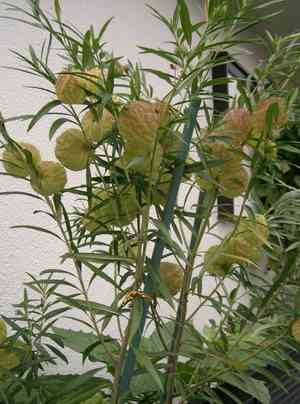
Balloon plants flourish optimally in full sun, needing over six hours of direct sunlight each day.
2
Although Balloon plants favor full sun, they can endure partial sun, offering adaptability for various settings.
3
Inadequate sunlight may lead to elongated stems and diminished blooms in Balloon plants.
Understanding Balloon Plant Illumination Needs
What kind of light is best for Balloon plants?
The Balloon plant thrives in full sun. This means it should receive over six hours of direct sunlight daily for robust growth and abundant blooms. Ample sunlight enables efficient photosynthesis, fostering strong foliage and vivid flowers. While it can endure partial sun, experiencing some periods of shade, it truly flourishes in fully sunlit environments.
How to recognize adequate light exposure
Determining if your Balloon plant gets enough light involves observing its growth and vitality. Healthy, vibrant green leaves and prolific flowering indicate sufficient sunlight. Conversely, slow growth, diminished flower production, or elongated stems might signal insufficient light. Regular observation of these indicators will help you optimize its placement for ideal sun exposure.
Prime Locations for Balloon Plant Sun Exposure
Indoor placement for peak development
For indoor Balloon plants, a south-facing window is ideal. These spots receive the most intense sunlight throughout the day. If a south-facing window isn't available, an east or west-facing window can work, but you might need to add artificial lighting to ensure the plant gets enough illumination.
Outdoor positioning for maximum light absorption
Outdoors, placing your Balloon plant where it gets uninterrupted sunlight for most of the day is essential. Gardens or patios free from large trees or buildings that block the sun are excellent choices. This ensures your plant absorbs the maximum light needed for its growth and development.
Seasonal adjustments for changing light
Seasonal shifts can impact the amount of sunlight your Balloon plant receives. In winter, the sun's angle is lower, and daylight hours are shorter, reducing light exposure. You might need to move your plant to a brighter location or use supplemental lighting during these months to offset the decrease in natural light.
Impacts of Insufficient or Excessive Light on Balloon Plants
Signs of too much sun exposure
While Balloon plants love the sun, excessive direct sunlight, especially during the hottest part of the day, can cause sunburn. Symptoms include scorched or brown-tipped leaves. To prevent this, position the plant where it gets morning sun and afternoon shade, or use shading cloths if the sunlight is too intense.
Indicators of inadequate light
Insufficient light can lead to several issues for your Balloon plant. These include leggy growth, where stems become long and weak, and reduced flowering, resulting in less vibrant blooms. The plant might also display pale leaves instead of a healthy green color. Moving the plant to a sunnier spot can help correct these problems.
Preventing and resolving light-related issues
To prevent and address light-related problems, regularly monitor your plant's health and adjust its position as needed. For indoor plants, use sheer curtains to filter intense sunlight. For outdoor plants, consider using shade cloth or temporarily relocating the plant during peak sun hours. Rotating the plant regularly can also help ensure even light exposure on all sides.
Advice for Adjusting Balloon Plant Lighting
Utilizing artificial lighting as a supplement
Artificial lighting can effectively supplement Balloon plants that lack sufficient natural light. Full-spectrum grow lights mimic natural sunlight and provide the necessary light for photosynthesis. Position the grow light approximately 15-30 centimeters (6-12 inches) above the plant and leave it on for 6-8 hours daily to compensate for inadequate natural sunlight.
Establishing an optimal light schedule
Creating an optimal light schedule for your Balloon plant involves understanding its light requirements and replicating natural sunlight patterns. Ensure the plant receives at least 6 hours of bright light daily and adjust the schedule based on seasonal light changes. Consistent monitoring and adjustments will help your plant thrive year-round.



