How Much Sunlight Do Honey locust Need?
1
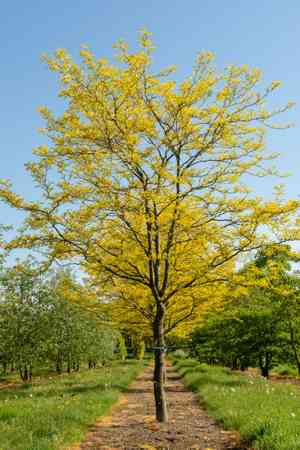
Honey locust trees flourish with ample sunlight, needing a minimum of six hours of direct sun each day.
2
While these trees can endure some shade, they reach their best development in full sun environments.
3
Variations in sunlight throughout the year influence the development and vitality of Honey locust trees.
Optimal Light Conditions for Honey locust
Ideal Light Quantity
The Honey locust tree is known for its resilience and flexibility. It ideally needs full sun exposure for optimal development. This means it should get at least six to eight hours of direct sunlight daily. Full sun aids the tree in developing a robust root system, ensuring it grows tall and healthy.
Daily Light Requirements
On a daily basis, Honey locust trees should be exposed to direct sunlight for a minimum of six hours. Consistent light exposure influences photosynthesis, allowing the tree to generate sufficient energy for growth and development. Aim for your tree to receive morning to mid-afternoon sun for best outcomes.
Impact of Seasonal Variations
Seasonal changes can significantly affect the sunlight Honey locust trees receive. During spring and summer, when daylight hours are longer, the tree thrives with abundant sunlight. However, in fall and winter, reduced daylight hours slow the tree's growth rate. It's vital to consider these seasonal shifts when planning your Honey locust tree's sun exposure.
Sunlight Tolerance and Adaptability of Honey locust
Shade Tolerance
While the Honey locust tree performs best in full sun, it shows moderate shade tolerance. That said, prolonged periods of shade can impede its growth and might cause the tree to become leggy or sparse. For optimal health and appearance, ensure your Honey locust tree receives ample sunlight throughout the day.
Full Sun Adaptation
Flexible and hardy, the Honey locust tree flourishes best in full sun conditions. With at least six hours of direct sunlight, the tree grows more vigorously, producing lush foliage and strong branches. Full sun also helps prevent mold and mildew, common in shaded and damp environments.
Partial Sunlight Suitability
Although Honey locust trees prefer full sun, they can also adjust to partial sun conditions. They may not reach their full potential but will still thrive with three to six hours of sun. If planting in an area with partial sun, consider positioning the tree where it will receive the most direct sunlight possible, especially during peak hours of the day.
Planting Locations for Optimal Sunlight
Best Locations in a Yard or Garden
In your yard or garden, the best spot for a Honey locust tree is an open, sunny area. Ideal planting locations include south or west-facing sections, where the tree will receive ample sunlight throughout the day. Avoid placing it too close to buildings or structures that might cast a shadow over the tree for extended periods.
Container Planting Considerations
Planting a Honey locust in a container is a viable option, especially for smaller spaces. Ensure the container is large enough to accommodate the root system and place it in an area where it will receive full sunlight. You'll need to move the container around to ensure the tree gets adequate sun, particularly if shadows from buildings or other structures are a concern.
Commercial or Urban Planting
In commercial or urban areas, Honey locust trees are a popular choice due to their high adaptability and ability to thrive in diverse environments. When planting in these areas, select locations that provide at least six hours of sunlight daily. Urban planners often choose spots along streets or open park areas to ensure the trees have access to sufficient sunlight and space to grow.
Effects of Improper Sunlight Exposure
Symptoms of Excessive Sunlight
While Honey locust trees love the sun, too much intense, direct sunlight can cause leaf scorch. This appears as browning or yellowing leaf edges. If you notice these symptoms, providing some afternoon shade or ensuring the tree is adequately watered can help alleviate the effects of excessive sunlight.
Symptoms of Insufficient Sunlight
Inadequate sunlight can lead to several problems for a Honey locust tree. Symptoms include stunted growth, sparse foliage, and a general lack of vigor. If your tree isn't getting enough light, consider relocating it to a sunnier spot or trimming back nearby plants or structures that may be blocking the sun.
Remedies for Imbalanced Sunlight Exposure
To address imbalanced sunlight exposure, consider these remedies: For too much sun, provide temporary shade using garden fabric or reposition potted trees to areas with less intense afternoon sun. For insufficient sunlight, prune nearby plants or branches that block light or relocate smaller trees to sunnier spots to ensure they receive the necessary amount of daily sunlight.



