How Much Sunlight Do Yellow horned poppy Need?
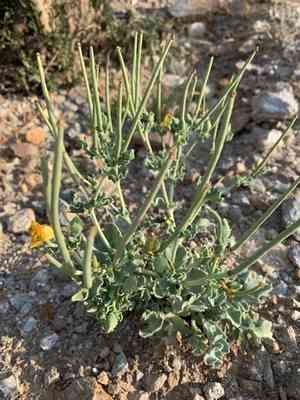
1
Yellow horned poppy flourishes optimally in bright, direct sunlight, needing over six hours daily.
2
It can endure some shade, but its growth and bloom production might be less vigorous.
3
Adequate light is crucial for this plant's vivid yellow blossoms and robust leaves.
Optimal Light Conditions for Yellow horned poppy
Full Sun Requirements
The Yellow horned poppy, with its striking yellow blooms and distinctive horned seed pods, is a heliophilic plant that flourishes best in direct sunlight. This means it needs a minimum of 6 hours of unfiltered sun daily. Under full sun conditions, this plant will display its most vigorous development and produce a profusion of flowers. Positioning the Yellow horned poppy where it receives morning sun is ideal, as this efficiently supports its photosynthetic processes, ensuring the plant obtains the energy required to thrive.
Partial Sun Tolerance
While the Yellow horned poppy prefers full sun, it can endure partial sun conditions. This implies it can still grow and maintain a healthy appearance if it gets approximately 4-6 hours of indirect or filtered sunlight. However, it's crucial to note that while partial sun can sustain the plant, it might not achieve its maximum potential in terms of growth and flowering. The plant may produce fewer blossoms and slightly elongated stems as it stretches to capture more light. Therefore, for the best visual outcome, aiming for full sun is still advised.
Ideal Locations for Cultivating Yellow horned poppy
Garden Bed Placement
For planting Yellow horned poppy in garden beds, choose a spot that receives consistent and uninterrupted sunlight throughout the day. Ensure the soil drains well, as this plant does not tolerate overly moist conditions. Planting it along south-facing walls or in garden borders where it won't be overshadowed by taller plants or structures is perfect. Designating a specific area for it guarantees it gets the precise light conditions it needs to prosper.
Container Cultivation Advice
Growing Yellow horned poppy in pots can be a flexible and rewarding choice, especially for those with limited garden space. Position the containers in areas that receive ample sunlight, such as sunny patios or balconies. Select large containers to accommodate the plant's root system and ensure proper drainage by using a well-draining potting mix. Containers can be moved to follow the sun, making it easier to ensure the plant receives the necessary light throughout the day.
Indicators of Proper Sunlight Exposure for Yellow horned poppy
Healthy Growth Markers
The Yellow horned poppy will exhibit several signs of robust growth when it receives the correct amount of sunlight. These indicators include lush, green foliage, strong stems, and a sturdy plant structure. The leaves will appear vibrant and free from discoloration, with minimal etiolated growth. If the plant is healthy and developing well, it will also be resistant to common pests and diseases.
Flowering Characteristics
One of the most noticeable signs of appropriate sunlight exposure is the plantâs blooming pattern. The Yellow horned poppy will yield an abundance of bright yellow flowers when exposed to optimal sunlight. These blossoms are not only beautiful but also serve as a key indicator that the plantâs requirements are being met. Healthy flowering typically occurs throughout the growing season, adding vivid color to any garden space.
Issues Arising from Incorrect Sunlight Exposure
Symptoms of Insufficient Sunlight
When the Yellow horned poppy does not receive enough sunlight, it can display several signs of stress. These may include leggy growth, where the stems become elongated and weak as the plant reaches for light. The leaves may turn a pale green or yellowish hue, and the plant's overall development will be stunted. Additionally, if the plant is not flowering as much as anticipated, inadequate sunlight might be the cause.
Damage from Excessive Sunlight
Conversely, too much sunlight, particularly in extremely hot climates, can also present problems. The Yellow horned poppy may develop scorched leaf margins, where the leaves appear burnt or crispy. To prevent this, consider providing some shade during the hottest parts of the day, or ensure the soil remains sufficiently moist to help the plant cope with high levels of sunlight.
Adjusting Sunlight for Yellow horned poppy
Seasonal Light Variations
Sunlight availability changes with the seasons, and it's crucial to adapt accordingly to meet the Yellow horned poppy's needs. In spring and summer, ensure the plant receives the full extent of available sunlight. During autumn and winter, when daylight hours are shorter, relocate container plants to maximize sun exposure or consider using grow lights to supplement natural light. Adjusting the plantâs position within the garden or home as the seasons change can help maintain optimal sunlight conditions.
Utilizing Shade Cloths or Barriers
In regions with intense sunlight or during peak summer days, employing shade cloths or barriers can help safeguard the Yellow horned poppy from excessive sun damage. These materials can filter out a portion of the sunlight, providing a more moderate, diffused light that prevents leaf scorching while still allowing the plant to photosynthesize effectively. Shade cloths are particularly useful in container gardening, where plants can be quickly moved to areas that offer the necessary protection.



