How Much Sunlight Do Barberton daisy Need?
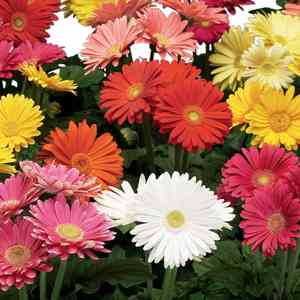
1
Barberton daisies flourish with a daily exposure of 6-8 hours of unfiltered sunlight.
2
Though Barberton daisies can withstand some dappled light, they achieve peak health in completely sunny environments.
3
For indoor cultivation, positioning Barberton daisies by a window that faces south offers the most advantageous light conditions.
Ideal Light Conditions for Gerbera Daisies
Direct Sun Versus Partial Shadow
For Gerbera daisies, abundant direct sunlight is vital for their development and flowering. They thrive best when exposed to approximately 6-8 hours of unfiltered sun daily. This level of light encourages the plant to produce numerous and vividly colored blossoms. While these daisies can endure some partial shade, especially during the hottest part of the day, excessive shade can result in stretched stems and fewer blooms. Therefore, aiming for a balance that includes ample morning sunlight is advantageous.
Optimal Period for Sun Exposure
The timing of sun exposure significantly influences the vitality of Gerbera daisies. The morning sun, being less harsh, offers gentle illumination perfect for photosynthesis without the risk of scorching. Late morning to early afternoon sun is sufficient for their requirements. However, during the height of summer, intense midday sun might necessitate some shielding to prevent leaf damage. Utilizing filtered shade during these hours can safeguard the plant while still ensuring adequate light.
Adapting Light for Indoor Gerbera Daisies
Perfect Window Location
When cultivating Gerbera daisies indoors, selecting the correct window placement is crucial for ensuring they get enough illumination. A south-facing window typically provides the most consistent and strong light throughout the day. If a south-facing window isn't available, east or west-facing windows can also be suitable, though these might necessitate supplementary lighting during shorter days.
Utilizing Artificial Light Sources
For indoor Gerbera daisies, particularly in areas with limited natural daylight, artificial lights can be an excellent substitute. Full-spectrum grow lights that mimic natural sunshine are most effective. Position these lights approximately 6-12 inches (15-30 cm) above the plants, ensuring they operate for about 14-16 hours per day to complement natural daylight, if required. Adjusting the duration and intensity may be necessary depending on the season and the plant's reaction.
Monitoring and Resolving Light Issues
Recognizing Sunburn in Gerbera Daisies
Sunburn in Gerbera daisies appears as yellowing or browning on the leaves, especially along the edges. If you observe these indicators, it's essential to respond quickly by adjusting their light exposure. Moving the plant to a spot with filtered sunlight or providing a shade cloth during peak sun hours can help prevent further harm.
Indicators of Insufficient Light
Insufficient light causes Gerbera daisies to display elongated growth, with stretched stems and sparse, smaller foliage. Flowers may also become less vibrant or fail to develop entirely. Addressing this issue involves relocating the plant to a brighter area or supplementing with grow lights, ensuring they achieve the necessary daily light intake.
Modifying Light Levels
Adjusting light levels for Gerbera daisies requires careful observation of the plant and making gradual alterations. If they receive too much light, providing partial shade during the most intense sun hours can help. Conversely, if they're not getting enough light, gradually increasing their exposure to avoid shock is crucial. Monitoring their response and making adjustments accordingly will ensure their prosperity.
Seasonal Light Needs Changes
Spring and Summer Light Requirements
During spring and summer, Gerbera daisies are in their active growth phase and demand more sunlight for optimal development and blooming. Full sun exposure, with approximately 6-8 hours of direct sunlight, supports robust growth and abundant flowering. Ensuring they receive morning sun and some protection from the intense midday sun during peak summer helps prevent scorching.
Autumn and Winter Adjustments
In autumn and winter, sunlight intensity and duration decrease. Gerbera daisies may not require as intense light exposure but should still receive as much natural sunlight as possible, or be supplemented with grow lights. Placing them near windows that receive maximum daylight and adjusting artificial lighting to maintain their light needs ensures they remain healthy through the colder months.



