How Much Sunlight Do Wild geranium Need?
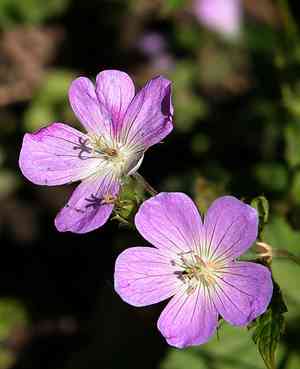
1
Wild geranium flourishes optimally with 4-6 hours of morning light exposure.
2
Some shade can assist Wild geranium in enduring intense afternoon sun.
3
Observe your Wild geranium for indications of burned leaves or elongated stems, then modify its position as needed.
Optimal Light Conditions for Wild Geranium
Preferred Daily Light Duration
For Wild geranium, approximately 4 to 6 hours of sunlight daily is ideal. These adaptable plants thrive in both full sun and partial shade, making them suitable for various garden environments. Morning sun followed by afternoon shade is particularly advantageous, offering a balanced exposure to prevent overheating.
Impact of Direct Sun
While Wild geranium can endure full sun, meaning over 6 hours of exposure, the intensity is a factor. In very hot climates, direct sun can cause leaf burn and stress. To lessen these effects, ensure consistent soil moisture and consider providing some shade during the day's hottest period.
Impact of Partial Shade
Wild geranium also flourishes in partial shade. This condition implies the plant receives direct sunlight for a portion of the dayâtypically morningâand is shaded for the remainder. Partial shade helps shield the plant from intense afternoon sun, which can be especially harsh in summer.
Adapting to Diverse Environments
Indoor vs. Outdoor Cultivation
When cultivating Wild geranium indoors, position it near a window to receive ample natural light. However, be wary of direct afternoon sun through windows, as it can be overly intense. Outdoors, choose a location that gets morning sun and afternoon shade for best growth.
Seasonal Light Fluctuations
As seasons shift, so do the strength and duration of sunlight. During shorter winter days, Wild geranium might need more direct sun exposure to thrive. Conversely, in summer, offering some afternoon shade can protect the plant from excessive heat.
Adjusting to Climate Zones
In cooler climate regions, Wild geranium will benefit from increased sunlight, as the intensity is generally lower. In warmer areas, providing partial shade in the afternoon can help the plant avoid heat stress and maintain vigorous growth.
Indicators of Light Deficiency and Excess
Signs of Insufficient Light
If your Wild geranium isn't receiving enough light, you might observe etiolated growth, where stems are elongated and sparse. Additionally, the plant's foliage may appear smaller, and it might produce fewer blooms.
Signs of Excessive Light
Conversely, too much light can lead to leaf scorch, identified by brown, crisp edges on the leaves. The plant may also exhibit wilting despite adequate hydration if it's suffering from overexposure to sun.
Resolving Light Issues
To correct light problems, simply modify the plant's position. For inadequate light, move the plant to a brighter spot. If there's too much sun, try relocating it to an area with partial shade, particularly during peak afternoon hours.
Optimizing Light Exposure for Wild Geranium
Trimming and Positioning
Regular trimming can benefit Wild geranium by removing any damaged or leggy growth, which enhances overall plant health and light penetration to lower leaves. Furthermore, strategic placement in your garden can ensure optimal light exposure throughout the day.
Using Reflective Surfaces
Placing reflective surfaces such as white walls or light-colored mulch around your Wild geranium can boost light exposure, especially in partially shaded gardens. These surfaces redirect additional light onto the plants, fostering improved growth.



