How Much Sunlight Do Carolina jasmine Need?
1
Carolina jasmine flourishes optimally in direct sunlight, though it can endure some dappled light.
2
To achieve the best bloom production, guarantee Carolina jasmine gets more than six hours of unfiltered sun each day.
3
In colder regions, exposure to morning sun followed by afternoon shade can protect Carolina jasmine's foliage from burning.
The Importance of Sunlight for Carolina Jasmine
Photosynthesis and Development
Sunlight is vital for Carolina jasmine as it plays a key role in photosynthesis. This process allows the plant to convert light energy into chemical energy, fueling its growth and maturation. Without sufficient sunlight, the plant's ability to photosynthesize is impaired, leading to stunted development and weakened vitality.
Flowering and Bloom Cycle
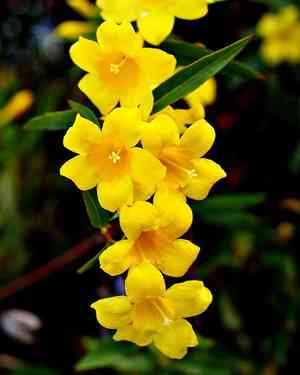
Carolina jasmine is known for its bright, yellow blossoms. Sunlight is crucial for initiating and sustaining its blooming period. Adequate sunlight exposure ensures the plant produces a profusion of flowers, creating a stunning visual display. Conversely, insufficient sunlight may result in fewer blooms and a less impressive appearance.
Ideal Sunlight Exposure for Carolina Jasmine
Full Sun vs. Partial Shade
Carolina jasmine thrives in full sun, meaning it should receive at least 6 hours of direct sunlight daily. However, it can adapt to partial shade conditions, where it might get 3-6 hours of sun. While it tolerates partial shade, the plant will likely produce fewer flowers compared to those grown in full sun.
Daily Sunlight Needs
To ensure optimal growth and flowering, Carolina jasmine should be exposed to over 6 hours of sunlight each day. This amount of sunlight helps the plant maintain robust health and supports its blooming potential. If you're in a region with intense afternoon sun, providing some afternoon shade can prevent potential leaf scorch.
Adapting to Various Climates
Warm Regions
In warm climates, Carolina jasmine typically flourishes with full sun exposure. However, if temperatures are extremely high, ensuring the plant gets some afternoon shade can prevent leaf burn and stress. Mulching around the base of the plant can also help retain soil moisture and keep the roots cool.
Cooler Regions
For cooler climates, morning sun followed by afternoon shade can be beneficial for Carolina jasmine. This approach allows the plant to absorb gentle morning light while being protected from the harsher afternoon sun. This balance helps the plant maximize its potential without risking damage from excessive heat.
Common Sunlight-related Issues and Solutions
Signs of Excessive Sun
If Carolina jasmine is exposed to too much direct sunlight, you might notice signs such as leaf scorch, where the leaves appear brown and crispy, particularly at the edges. To counteract this, provide some afternoon shade during the hottest part of the day or consider relocating the plant to a slightly shadier spot.
Signs of Insufficient Sunlight
When Carolina jasmine doesn't get enough sunlight, it may exhibit symptoms like elongated, leggy growth and reduced flowering. The leaves might also appear less vibrant. To remedy this, move the plant to a sunnier location ensuring it gets the necessary 6 hours of direct sunlight daily.
Adjusting Sun Exposure
If you observe your Carolina jasmine is either getting too much or too little sunlight, adjust its location accordingly. For too much sun, provide some shade during peak hours. For insufficient sunlight, relocate the plant to an area with better direct sun exposure. Monitoring and adjusting as needed can help maintain the plant's health.
Tips for Providing Ideal Sunlight for Carolina Jasmine
Choosing the Right Spot
When planting Carolina jasmine, select a location with abundant sunlight. Aim for a spot that receives at least 6 hours of direct sunlight daily. If your garden has areas that experience both full sun and partial shade, consider planting the jasmine where it can get morning sun and some afternoon shade.
Seasonal Adjustments
As seasons change, the sun's angle and intensity shift, affecting how much light your Carolina jasmine receives. In summer, ensure the plant gets protection from the scorching afternoon sun, perhaps with a shade cloth. In winter, pruning adjacent trees or shrubs that might block sunlight can help ensure the plant continues to get enough light.



