How Much Sunlight Do Giant Cabuya Need?
1
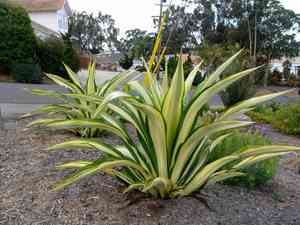
Giant Cabuya flourishes when exposed to over 6 hours of direct sun each day.
2
Positioning it correctly contributes to vigorous development and lively leaves.
3
Pay attention to shifts in seasons and modify light exposure as needed.
Deciphering Giant Cabuya's Illumination Requirements
Native Environment and Light Exposure
The Giant Cabuya, originating from sun-drenched areas, is naturally equipped to flourish in bright conditions. Its ancestral habitat features intense, unshaded sunlight. Grasping this background aids plant enthusiasts in recreating optimal conditions to mimic its natural setting within home gardens.
Development and Maturation in Full Sun
When positioned in full sun, Giant Cabuya thrives, displaying vigorous and robust development. Access to over 6 hours of direct solar exposure is crucial for its growth, resulting in lively foliage and strong structures. Full sun exposure ensures the plant's metabolic processes, such as photosynthesis, operate effectively.
Impacts of Insufficient Light
Inadequate sunlight can impede the Giant Cabuya's development, leading to pale, weak, or elongated leaves. A deficit of proper illumination can cause the plant to become spindly and less resilient. Recognizing indications of light deprivation can assist gardeners in modifying placement and care routines.
Optimal Lighting Conditions for Giant Cabuya
Ideal Duration of Solar Exposure
For prime growth, Giant Cabuya requires more than 6 hours of direct sunlight daily. Ensuring the plant receives this timeframe can strengthen its growth and vitality. Extended sun exposure supports vital functions like photosynthesis, which are essential for the plant's energy conversion and nutrient absorption.
Best Spots for Cultivation
The most suitable locations for cultivating Giant Cabuya are areas where it can receive full sun. Outdoor beds, south-facing windows, or bright patios are perfect. Be mindful of potential obstructions that could cast shadows and limit solar access.
Adjusting Light Throughout Seasons
Seasonal changes can impact the available sunlight. During shorter winter days, consider moving the Giant Cabuya to brighter spots or supplementing with artificial illumination. Conversely, in the summer, ensure it isn't subjected to overly harsh midday heat by providing some dappled shade if necessary.
Indicators Your Giant Cabuya is Receiving Appropriate Sun
Healthy Foliage Color and Growth Patterns
Thriving Giant Cabuya plants exhibit vibrant, verdant leaves and consistent growth habits. Sufficient sunlight fosters lush, dense foliage and prevents issues like yellowing or drooping leaves. Observing these cues helps ascertain if the plant's light needs are being met.
What to Observe in Flourishing Plants
A content Giant Cabuya will appear robust and display a steady growth rate. Look for firm, erect leaves and a rich green hue. Regularly evaluating these signs can indicate that your plant is receiving the correct amount of light.
Signs of Excessive Sunlight Exposure
Overexposure to sunlight can result in leaf scorching or browned edges. If the plant is receiving too much direct midday sun, it might require a bit of partial shading. Adjustments can help prevent harm while maintaining adequate exposure for healthy development.
Common Questions Regarding Giant Cabuya's Sunlight Requirements
Can Giant Cabuya Thrive in Partial Shade?
While Giant Cabuya can endure partial shade, it is not optimal for its development. Partial shade might reduce vigor and lead to less vibrant foliage. Ensuring it primarily receives full sunlight is preferable for its overall health and vitality.
How to Safeguard Giant Cabuya from Intense Sunlight?
To shield Giant Cabuya from extremely intense sunlight, especially at midday, consider offering partial shade using a shade cloth or temporarily relocating it. Ensuring it has ample water during hot periods can also help alleviate the negative impacts of strong sunlight.
Does Giant Cabuya Require Sunlight Indoors?
Giant Cabuya can grow indoors if it receives abundant light. Position it near a south-facing window where it can get direct sunlight. If natural light is insufficient, supplementing with grow lights can support its indoor growth demands.



