How Much Sunlight Do Velvet ash Need?
1
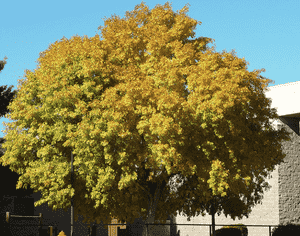
For optimal growth, Velvet ash requires a minimum of six hours of direct sun daily.
2
Insufficient light exposure can cause Velvet ash to have restricted development and leaves that lose their natural color.
3
A mix of full sun and partial shade helps maintain the health and vividness of Velvet ash through different climates.
Why is Sunlight Essential for Velvet Ash?
Photosynthesis and Development
Sunlight is a vital component for the photosynthetic process, enabling plants to transform light energy into chemical energy. For Velvet Ash, ample sunlight ensures it can generate the necessary nutrients to support its growth and maintain robust health. Without sufficient sunlight, photosynthesis slows, and the tree's development can be significantly impaired.
Wellness and Vitality
Sunlight plays a crucial role in maintaining the overall wellness and vitality of Velvet Ash. Adequate light exposure fosters a strong immune system in the tree, helping it resist pests, diseases, and environmental stresses. Healthy exposure to sunlight ensures the tree remains lush and vibrant, with sufficient energy reserves to flourish through different seasons.
How Much Sunlight Does Velvet Ash Require?
Ideal Sunlight Hours
Velvet Ash thrives in full sun conditions, meaning it needs more than 6 hours of direct sunlight daily. These optimal conditions support the tree’s photosynthesis process, leading to healthy and consistent growth. Ensure your Velvet Ash is planted in an area where it can receive plenty of sunlight throughout the day.
Seasonal Light Fluctuations
Depending on the season, the amount of sunlight available for Velvet Ash may change. During the longer days of spring and summer, trees typically receive ample sunlight. However, in fall and winter, daylight hours are shorter. While Velvet Ash can tolerate some partial shade, extended periods without sufficient sunlight can impact its health and growth. It's crucial to monitor and adjust planting locations if needed to ensure consistent light levels.
Optimal Locations for Planting Velvet Ash
Selecting a Planting Site
When choosing where to plant your Velvet Ash, consider spots that receive full sun throughout the day. South or southwest-facing areas are often ideal. Additionally, ensure the site has well-drained soil to prevent waterlogging, which can harm the root system. Avoid planting too close to large structures or dense trees that might cast shadows and limit the sunlight reaching your tree.
Urban vs. Rural Environments
Both urban and rural environments can be suitable for Velvet Ash as long as its sunlight requirements are met. In urban areas, be mindful of shadows cast by buildings and the presence of pollution that might affect tree health. Rural areas often offer more open spaces with fewer obstructions, providing a better environment for optimal sunlight exposure. Ensure that regardless of the setting, the location supports the tree's need for over 6 hours of direct sunlight per day.
Indicators of Insufficient Sunlight
Leaf Color Changes
One of the initial signs that Velvet Ash isn't receiving enough sunlight is leaf discoloration. The leaves may turn yellow or pale, signaling a lack of chlorophyll, which is vital for photosynthesis. Such symptoms suggest the tree isn't producing enough energy due to inadequate light exposure.
Hindered Development
In addition to leaf discoloration, hindered development is a clear sign of insufficient sunlight. If you observe that your Velvet Ash isn't growing as robustly as anticipated or has smaller-than-average leaves, this might be due to a lack of adequate sunlight. Ensuring the tree gets its optimal sunlight can reverse these symptoms and promote healthy development.
Modifying Sunlight Exposure
Practical Solutions for Enhancing Light
If you realize your Velvet Ash isn't receiving enough sunlight, several steps can be taken to remedy this issue. Trim nearby trees or bushes that might be obstructing light, or consider relocating your Velvet Ash to a sunnier spot. Reflective surfaces can also help to indirectly increase light exposure. By addressing these barriers, you can maximize the sunlight your tree receives.
Protection from Excessive Sun
While Velvet Ash thrives in full sun, it’s also important to shield it from extreme heat, especially in very hot climates. During peak summer, providing some shade during the hottest part of the day can prevent leaf burn and dehydration. Mulching around the base can help retain soil moisture, mitigating some of the stress caused by intense sunlight.



