How Much Sunlight Do Oregon ash Need?
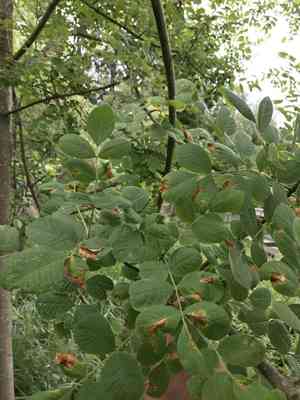
1
Oregon ash flourishes in areas receiving ample direct sunlight, needing a minimum of 6 hours daily.
2
While preferring full sun, Oregon ash can endure some shade, especially in warmer regions.
3
Insufficient light exposure may result in diminished growth and chlorotic foliage for Oregon ash trees.
Optimal Light Conditions for Oregon Ash
Full Sun Preference
The Oregon ash thrives in bright light. For best development, these trees require over six hours of direct sun daily. Ample sun exposure promotes vigorous growth, lush foliage, and a robust overall structure. When planting, choose a site with abundant sunlight, such as an open area or a south-facing spot with minimal shade. Sunlight is crucial for the tree's energy production through photosynthesis.
Partial Shade Tolerance
While Oregon ash performs best in full sun, it shows surprising adaptability to partial shade. This flexibility makes it suitable for slightly shaded spots, especially in regions with very hot summers. In such cases, providing some afternoon shade can shield the tree from intense heat, preventing leaf burn. However, ensure the tree still gets plenty of morning and early afternoon sun for its growth needs.
Why is Light Essential for Oregon Ash?
Photosynthesis and Development
Sunlight is vital for the Oregon ash because it drives photosynthesis, the process where the tree converts light energy into chemical energy. Through photosynthesis, the tree creates the carbohydrates needed for its growth and maturation. Without enough sunlight, the Oregon ash cannot photosynthesize effectively, leading to poor growth and reduced health. Thus, ensuring adequate sunlight is crucial for its overall vigor and lifespan.
Health and Disease Resistance
Proper sunlight exposure is also key to maintaining the health and disease resistance of Oregon ash trees. Sunlight helps strengthen the tree's immune system, making it less vulnerable to pests and illnesses. When deprived of sufficient light, the tree's natural defenses weaken, increasing its susceptibility to infections, pests, and other problems. A healthy amount of sunlight ensures strong growth, vibrant foliage, and enhanced resilience against environmental stresses.
Assessing Sunlight for Oregon Ash Planting Sites
Using Light Meters
An effective method to determine the amount of sunlight your Oregon ash will receive is by using a light meter. These devices measure light intensity and duration over a specific period, providing accurate data to confirm if a site meets the tree's light requirements. Simply place the meter in the intended planting spot and monitor it for several days. This will give you a clear understanding of whether the location gets enough sunlight for optimal Oregon ash growth.
Estimating Light Exposure
If you lack a light meter, you can estimate sunlight exposure by observing the area at various times of the day. Check periodically to see how much direct sunlight the area receives from morning until late afternoon. Pay close attention to any shadows cast by nearby structures or other trees. For Oregon ash, select sites free of large, sun-blocking obstacles to ensure consistent and sufficient sunlight throughout the day.
Adjusting Light Exposure for Oregon Ash
Pruning Nearby Plants
If your Oregon ash isn't getting enough sunlight due to surrounding vegetation, consider trimming nearby trees or shrubs. Pruning helps reduce shade and allows more light to reach the ash tree's canopy. Focus on removing branches and foliage that overlap and block significant amounts of light. Regular maintenance of surrounding plants will ensure your Oregon ash continues to receive adequate sunlight for healthy growth.
Relocating Young Trees
In some cases, it might be necessary to move young Oregon ash trees to a location with better sunlight exposure. Transplanting should ideally occur in early spring or late fall to minimize stress on the tree. Choose a new spot that offers full sun, dig a spacious hole for the root system, and water thoroughly after replanting. Moving the tree to a sunnier area gives it a better chance to flourish and reach its full potential.
Signs of Insufficient Sunlight in Oregon Ash
Slowed Development
One primary indicator of inadequate sunlight in Oregon ash trees is stunted growth. Trees that don't receive enough light will grow more slowly and may appear less vigorous than their well-lit counterparts. An Oregon ash struggling with insufficient sunlight will likely have smaller leaves and thinner branches, signaling it cannot photosynthesize efficiently. Monitoring growth patterns can help identify if your tree needs more light.
Yellowing Foliage
Another common sign of insufficient sunlight is the yellowing of leaves. Chlorosis, or the yellowing condition, happens when the tree cannot produce enough chlorophyll due to inadequate light exposure. In a healthy Oregon ash, the leaves should be vibrant and green; if you notice yellowing, it indicates the tree may need more sunlight. Addressing the light deficiency promptly can help restore the tree's health and appearance.



