How Much Sunlight Do Weeping forsythia Need?
1
Weeping forsythia flourishes optimally with ample sunlight, requiring a minimum of six hours of direct sun per day.
2
Although Weeping forsythia endures some partial shade, inadequate light exposure may diminish its flowering performance.
3
Ideal locations for Weeping forsythia are south or west-facing areas to ensure the highest possible light levels.
Optimal Light Conditions for Weeping Forsythia
Full Sun Requirements
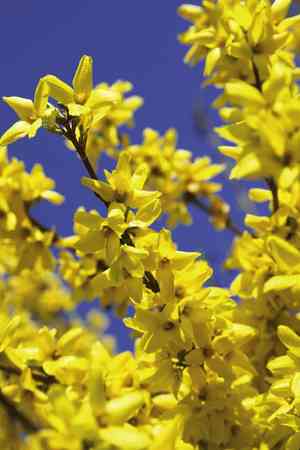
For the most robust growth and abundant blooms, Weeping forsythia thrives in full sun. This means your plant should receive at least six hours of direct sunlight daily. Ample sun exposure encourages the development of beautiful yellow flowers in spring, enhancing your garden's appeal.
Partial Shade Tolerance
Weeping forsythia is adaptable and can also grow in partial shade. However, be aware that partial shade typically results in reduced flowering and stunted development. While hardy, the plant may not reach its full potential if light is significantly restricted.
Optimal Planting Locations for Weeping Forsythia
South and West Facing Aspects
Selecting the appropriate site can greatly benefit your Weeping forsythia. South and west-facing areas are ideal as they receive the most direct sunlight throughout the day. Planting here will provide your forsythia with the necessary light for splendid spring blooms.
Avoiding Heavily Shaded Zones
While convenient to plant Weeping forsythia anywhere, it's vital to steer clear of deeply shaded areas. Shade can deprive the plant of crucial sunlight, leading to fewer flowers and weak growth. If sunny spots are limited in your garden, consider trimming nearby plants to allow more light to reach your forsythia.
Weeping Forsythia's Seasonal Light Demands
Spring and Summer Light Exposure
During spring and summer, Weeping forsythia absorbs as much sunlight as possible. Extended daylight hours nourish the plant, promoting its growth and flowering. Ensure adequate watering, as increased sunlight necessitates more hydration.
Fall and Winter Light Adjustments
As seasons change and sunlight diminishes in fall and winter, Weeping forsythia enters a more dormant state. Nonetheless, this period still requires indirect sunlight to maintain its health until the next growing cycle. If you reside in a region with harsh winters, consider offering some protection to shield it from extreme conditions.
Effects of Insufficient Light on Weeping Forsythia
Indicators of Light Deficiency
A lack of adequate sunlight can severely affect Weeping forsythia. Signs include yellowing foliage, sparse or absent blooms, and leggy growth. Early recognition of these symptoms and corrective action are crucial for the plant's well-being.
Remedial Actions
If your Weeping forsythia is suffering from insufficient sunlight, consider moving it to a brighter location or pruning any obstructing plants nearby. Reflective mulch can also help maximize available light. Regularly monitor the plant for signs of improvement and adjust care as needed.
Enhancing Sunlight Exposure for Weeping Forsythia
Pruning for Enhanced Light
Pruning is beneficial for shaping and essential for maximizing sunlight exposure. By judiciously trimming branches, you can prevent any part of the plant from overshadowing another. This practice ensures that every section of your Weeping forsythia receives ample sunlight.
Utilizing Reflective Mulch
Another practical method to boost sunlight exposure is by applying reflective mulch around the plant's base. This type of mulch helps bounce sunlight onto the lower portions of the plant, guaranteeing even those areas receive sufficient light. This can be especially useful in partially shaded spots.



