How Much Sunlight Do Rubber tree Need?
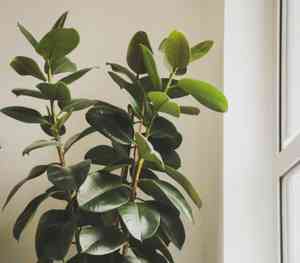
1
Rubber trees tolerate partial shade, though they truly flourish with approximately 3-6 hours of daily sunlight.
2
Prolonged exposure to direct sun can result in leaf scorching on a Rubber tree.
3
An indoor spot near a window facing north or east is perfect for a Rubber tree's health.
Optimal Lighting Conditions for Rubber Tree
Indirect Light Needs
The Rubber tree prospers in bright, diffused illumination. This implies it requires ample light to maintain its vivid, lustrous foliage, but direct sunbeams should be avoided. Positioning your Rubber tree near a window with translucent drapes can provide the perfect equilibrium – allowing light to filter through without the danger of leaf burn.
Exposure to Direct Sunlight
While the Rubber tree can withstand some direct sun, excessive exposure can be detrimental. Leaves might suffer from sun damage, showing up as brown, brittle areas. A little morning sun can be advantageous, but the intense afternoon rays are best bypassed to keep the plant vigorous and flourishing.
Sunlight Duration
Regarding the amount of light, aim for your Rubber tree to receive roughly 3-6 hours of indirect illumination daily. This balance guarantees the plant photosynthesizes adequately for strong growth without stress from too much light. If your plant displays signs of distress, such as wilting or leaf discoloration, re-evaluate its light exposure.
Selecting the Ideal Location for Your Rubber Tree
Top Indoor Spots
Indoors, a Rubber tree thrives when positioned near east or north-facing windows where it gets abundant indirect light. A spot that receives morning sunshine but is shielded from the harsh afternoon sun is perfect. Rooms with large windows or glass doors where light can diffuse effectively are also good options.
Outdoor Placement Considerations
If you are thinking about placing your Rubber tree outside, find a location where it can enjoy partial shade. Placing it beneath a tree canopy or a covered patio can offer the perfect blend of sunlight and shade. Make sure the area is protected from strong gusts, as the Rubber tree prefers tranquil surroundings.
Indicators Your Rubber Tree Is Getting Too Much or Too Little Light
Identifying Sunburn or Scorched Foliage
Excessive sunlight can lead to sunburn on your Rubber tree. This typically appears as brown or tan patches on the leaf surfaces, often with a crispy texture. If you observe these symptoms, it’s best to relocate the plant to an area with less direct sunlight.
Signs of Insufficient Illumination
Inadequate light can result in slowed development, yellowing leaves, and an elongated appearance where the plant stretches towards the light source. If your Rubber tree exhibits these indicators, consider moving it closer to a light source or supplementing with artificial grow lamps.
Modifying Light Exposure for Peak Growth
Utilizing Sheer Drapes
Sheer curtains are an excellent method to regulate the amount of sunlight your Rubber tree receives. Hang them over windows where the plant is situated to filter harsh light and prevent direct exposure. This arrangement allows the plant to get a sufficient quantity of soft light throughout the day.
Repositioning the Plant
If you find that your Rubber tree is not thriving in its current spot, do not hesitate to move it. Relocating the plant to a different position within your home or garden can make a significant impact. Ensure the new spot meets the light requirements and observe how the plant reacts to the alteration.



