How Much Sunlight Do Weeping fig Need?
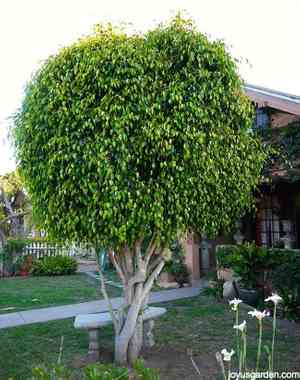
1
Ficus benjamina flourishes optimally with ample, filtered illumination.
2
Refrain from exposing your Weeping fig to intense, unfiltered sunbeams to protect its foliage from scorching.
3
Periodically turn your Weeping fig to guarantee uniform distribution of light across all its leaves.
Optimal Lighting for Weeping Fig
Weeping Fig and Indirect Light
The Weeping fig flourishes in bright, indirect illumination. Positioning your plant near a window that offers filtered light, avoiding direct exposure to harsh sunbeams, will create its ideal setting. This guarantees the plant gets sufficient light without the danger of leaf burn.
Why Direct Sunlight is Detrimental for Weeping Fig
Direct sunlight can be harmful to the Weeping fig. The intense rays may result in scorching and browning of its foliage. Excessive direct sunlight can also lead to the plant's dehydration, making it crucial to place your Weeping fig where it receives consistent but gentle light throughout the day.
Weeping Fig's Daily Light Requirement
Recommended Daily Light Exposure
The Weeping fig typically needs approximately 3-6 hours of sunlight daily. This refers to a mix of natural and filtered light over the course of the day, not direct sun. Ensuring your plant gets this duration of light helps maintain its vitality and health.
Seasonal Light Adjustments for Weeping Fig
As seasons shift, so do interior light conditions. During winter, with shorter days, you might need to move your Weeping fig closer to a light source to maintain its exposure. Conversely, in summer, it may be beneficial to slightly reposition it to avoid the stronger, more direct sunlight.
Indoor vs. Outdoor Placement for Weeping Fig
Weeping Fig's Indoor Light Needs
Indoor Weeping figs should be situated near east-facing windows for less intense morning sun. Alternatively, placing them a few feet from south or west-facing windows can provide ample indirect light all day. Sheer curtains can help diffuse light and shield leaves from burns.
Weeping Fig's Outdoor Light Needs
When cultivating a Weeping fig outdoors, ensure it's planted in a spot receiving filtered sunlight, such as beneath taller tree canopies. This arrangement allows the plant to enjoy natural light without being subjected to the sun's full intensity. In particularly hot or sunny regions, consider providing artificial shade during peak sunlight hours.
Detecting Weeping Fig Light Issues
Signs of Insufficient Sunlight
If your Weeping fig isn't getting enough sunlight, you might observe yellowing and shedding leaves. Another indicator is leggy growth, where the plant stretches towards the light source, becoming sparse and weak. Regularly inspect your plant and adjust its position to ensure it's receiving adequate light.
Symptoms of Excessive Sunlight Exposure
Too much sunlight can cause Weeping fig leaves to scorch, resulting in brown, crispy edges. You might also notice a generally wilted appearance or the leaves turning a lighter green, signaling stress. If these symptoms occur, consider relocating your plant to a less sunny spot.
Optimizing Weeping Fig Light Conditions
Using Curtains or Blinds
Employing sheer curtains or blinds can help regulate the light intensity your Weeping fig receives. This method is especially effective if the plant is near a window that gets intense sunlight for part of the day. The curtains diffuse the light, creating a suitable environment without the risk of direct sun exposure.
Rotating the Plant for Even Light Distribution
Rotate your Weeping fig every few weeks to guarantee all sides of the plant receive uniform light exposure. This prevents uneven growth and helps maintain a balanced and healthy shape.
Utilizing Reflective Surfaces
Placing reflective materials, such as mirrors, near your Weeping fig can help direct additional light onto the plant. This technique is beneficial for indoor plants in dimmer locations, augmenting their exposure to indirect light.



