How Much Sunlight Do Banyan tree Need?
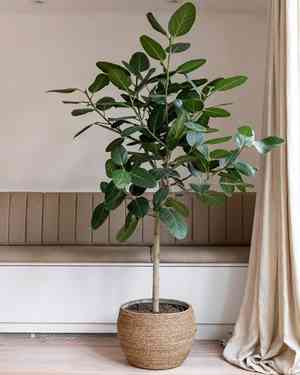
1
Banyan trees flourish optimally when receiving 3 to 6 hours of unblocked solar exposure daily.
2
Excessive direct solar radiation may cause leaf burn and impede development.
3
Indoor Banyan trees can adjust effectively with an appropriate mix of natural and supplemental illumination.
The Importance of Sunlight for Banyan Tree Health
Food Production and Development
Solar radiation is essential for photosynthesis, the process by which Banyan trees generate their sustenance. Their leaves capture sunbeams, combining them with carbon dioxide and water to form glucose, fueling the tree's development. Inadequate sunlight impedes this growth, as the tree cannot produce sufficient energy.
Lush Leaves and Strong Roots
Beyond aiding photosynthesis, sunlight plays a crucial role in maintaining vibrant foliage and robust root systems. Sufficient light ensures leaves remain vivid and green, lessening the chance of leaf drop. Sunlight encourages a sturdy root structure, allowing the tree to anchor securely and absorb nutrients effectively from the ground.
Optimal Light Conditions for Banyan Trees
Recommended Daily Sun Exposure
Banyan trees flourish best in partial sun, ideally receiving approximately 3-6 hours of direct sunlight daily. This moderate sun exposure ensures the tree gets enough light for photosynthesis without experiencing leaf scorching or excessive heat.
Prime Planting Locations
For outdoor cultivation, select a site that receives morning sun and some afternoon shade to create a balanced light environment. East-facing spots are frequently ideal. If growing indoors, position the tree near a south or west-facing window to ensure it gets ample natural illumination.
Issues Related to Sunlight Exposure
Overexposure to Sunlight
Excessive solar exposure can be harmful to the Banyan tree. Too much direct light frequently results in scorched leaves, which yellow or brown and may eventually drop. Prolonged exposure can also stress the plant, impeding its overall development.
Insufficient Sunlight
Conversely, a lack of sunlight can cause the Banyan tree to grow lanky, with sparse foliage and weak development. The tree will struggle to perform photosynthesis efficiently, leading to poor health and vigor. Striking a balance is vital for optimal growth.
Adapting Indoor Banyan Trees to Light
Selecting the Best Indoor Location
When cultivating a Banyan tree indoors, choosing the correct placement is crucial. Position the tree near a window where it can receive bright, indirect sunlight. South or west-facing windows are typically suitable for providing ample light without exposing the tree to harsh, direct sunlight for extended periods.
Supplementing with Artificial Lighting
If natural light is inadequate, artificial grow lights can be an excellent supplement. Utilize full-spectrum LED grow lights that emulate natural sunlight. Place the light source 30-60 cm (12-24 inches) above the plant and operate it for approximately 12-14 hours daily to help your indoor Banyan tree thrive.
Observing Sunlight Needs Over Time
Seasonal Shifts in Light
Remember that sunlight exposure changes with the seasons. During winter months, the sun's angle and intensity alter. You might need to adjust your Banyan tree's placement to ensure it continues to receive sufficient light. In summer, you may need to offer some shade if the sunlight becomes too strong.
Indicators of Light Imbalance
Regularly inspect your Banyan tree for signs of light-related problems. Evidence of too much sunlight includes scorched, brown, or yellow leaves. Conversely, symptoms of too little sunlight include leggy growth and pale, sparse foliage. Adjust the tree's position or lighting as necessary to promote prime health.



