How Much Sunlight Do Paperplant Need?
1
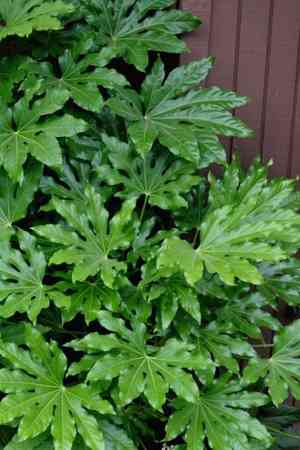
Fatsia japonica flourishes optimally in areas with filtered light.
2
Excessive direct sun exposure may lead to scorching and harm to foliage.
3
Modify the amount of light received throughout the year to support peak development.
Optimal Light Conditions for Paperplant
Benefits of Dappled Shade
A crucial element for a thriving Paperplant is ensuring it receives appropriate sun exposure. This species flourishes best in conditions of dappled shade, ideally receiving less than three hours of direct sun daily. Dappled shade replicates the plant's native woodland environment, where it would be shielded by taller vegetation. Providing such conditions helps guard the Paperplant against potential sun damage and dehydration. Aim to place your plant where it gets filtered light, perhaps under a tree canopy outside or by a north-facing window indoors.
Advantages of Diffused Light
Another superb illumination scenario for Paperplant is diffused light. Diffused light means your plant won't be exposed to direct solar rays, which can be too harsh, but will still absorb ample brightness for photosynthesis and robust growth. You can achieve diffused light by positioning the plant near a window that offers plenty of daylight but without direct sun striking its leaves. This lighting type prevents leaf burn and fosters the rich, green foliage characteristic of Paperplant. Keep it away from windows with intense sunlight, or employ translucent curtains to soften the light.
Potential Problems from Excessive Sunlight
Indicators of Sun Damage
Overexposing your Paperplant to intense sunlight can lead to several negative outcomes, with sunburn being the most frequent. Signs of sunburn on Paperplant include browning or yellowing patches on the leaves, edges that curl, and an overall unhealthy appearance. You might also notice the foliage becoming dry and crisp. These symptoms arise because intense direct sun can rapidly deplete the plant's moisture, causing tissue harm.
Preventative Measures
To avert sunburn, make sure your Paperplant isn't subjected to strong, direct sunlight, especially during peak afternoon hours. If your plant is outside, consider relocating it to a spot where it can enjoy morning sun but be shaded during the warmest part of the day. Indoors, use sheer curtains to diffuse light or place the plant a few feet away from a south or west-facing window. Periodically misting the leaves can also help maintain adequate moisture levels.
Consequences of Insufficient Illumination
Recognizing Symptoms of Low Light
While Paperplant can endure dim conditions, insufficient light can still present difficulties. Symptoms of low light include elongated, stretched growth as the plant reaches for available light sources. You might also observe smaller and paler leaves, a result of inadequate energy for chlorophyll production. Additionally, the plant's overall growth rate may diminish, leading to a sparse and less vibrant look.
Remedies for Low Light Conditions
To improve low light conditions, you can transfer your Paperplant to a brighter location with more indirect light. If natural light is insufficient, consider supplementing with artificial grow lights. Position these lights approximately 30-60 centimeters (12-24 inches) above the plant and operate them for about 12-16 hours daily. Remember to rotate the plant regularly to ensure even light exposure and prevent lopsided growth.
Adapting Light Exposure for Seasonal Changes
Summer Light Adjustments
During summer, the sun's intensity rises, and your Paperplant might require greater protection to avoid harm. Consider relocating the plant to a more shaded area or increasing the use of shade cloths if it's outdoors. Indoors, you may need to move it further from windows receiving direct sun or add extra layers of curtains to filter the light appropriately. Maintaining the plant's hydration is also vital during hotter months.
Winter Light Recommendations
In winter, sunlight is generally weaker, and daylight hours are shorter. During this period, you might want to move your Paperplant to a brighter spot, such as closer to a south or west-facing window. Clean the windows frequently to ensure maximum light penetration. If natural light is particularly scarce, continue employing artificial grow lights to provide the necessary illumination levels.
Indoor vs. Outdoor Light Requirements
Optimal Indoor Placement for Light
For indoor Paperplant care, selecting the correct spot in your home is crucial. Position your plant in a well-lit room but away from direct sunlight, such as near north or east-facing windows. If necessary, use sheer curtains to reduce direct sun exposure. Indoor plants may benefit from regular rotation to ensure balanced growth on all sides.
Outdoor Positioning Strategies
When placing your Paperplant outdoors, choose a location that provides morning sunlight but is shaded during the afternoon. Beneath the canopy of larger trees or along the shaded side of a structure are excellent spots. Protecting it from intense direct sunlight will help maintain the plant's vibrant and healthy appearance. Regularly checking the plant for signs of sun damage can help you adjust its positioning as needed.



