How Much Sunlight Do Blindness tree Need?
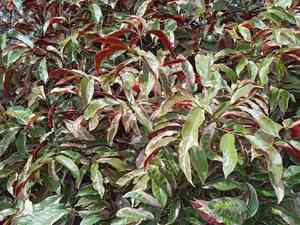
1
For optimal growth, the Blindness tree requires more than 6 hours of direct sunlight daily.
2
While this plant can endure some partial shade, specific light conditions are essential for its best development.
3
Scorched foliage indicates too much sun, while insufficient light can lead to stunted development.
Understanding the Sunlight Requirements of Blindness tree
What is the Ideal Sunlight Exposure for the Blindness tree?
The Blindness tree is a heliophile, needing over 6 hours of direct sun daily for prime development. Receiving full sunlight is crucial for this plant to maintain vibrant foliage and overall well-being. Consistent, complete sun exposure enables the Blindness tree to flourish and showcase its appealing colors and textures prominently.
Direct Sunlight vs. Indirect Sunlight for the Blindness tree
While the Blindness tree thrives with direct sunlight, it is also adaptable and can withstand partial sun. Direct sun promotes vigorous growth and striking leaves. However, in regions with intense midday sun, some shading during peak heat can shield the plant from potential sun damage. Thus, a balanced exposure to both direct and indirect sunlight can be beneficial.
Signs of Overexposure to Sunlight in Blindness tree
Too much sunlight can harm the Blindness tree, resulting in scorched or bleached leaves. This is especially common in very sunny locations where midday sun intensity is high. If you observe leaves browning or curling, it might indicate your plant is getting too much sun. In such cases, provide some protective shade to lessen the harm.
Signs of Underexposure to Sunlight in Blindness tree
Insufficient sunlight can also impact the Blindness tree, leading to symptoms like slowed growth, duller leaf hues, and weaker stems. If your plant appears lackluster and isn't thriving as expected, a lack of adequate sunlight could be the cause. Ensure the plant receives the recommended light by moving it to a brighter location or supplementing with artificial lights if grown indoors.
Best Practices for Providing Sunlight to Blindness tree
Choosing the Right Spot for Your Blindness tree
Selecting the optimal location for your Blindness tree involves finding a spot that offers abundant sunlight for most of the day. Ideally, place the plant in a garden area or on a patio that receives full sun, ensuring it gets at least 6 hours of direct sunlight daily. If space is limited, consider positioning the plant near a south-facing window where it can enjoy natural light all day.
Adjusting Sunlight Exposure with Seasonal Changes
Seasonal shifts can significantly affect sunlight availability. In summer, when light is plentiful, the Blindness tree will thrive with extended daylight. Conversely, during winter months with shorter days, you might need to move the plant to maximize its sunlight intake. Monitoring its exposure throughout the year and making necessary adjustments can help sustain its health and growth.
Using Artificial Lighting for Blindness tree
For indoor cultivation, or in areas where natural sunlight is scarce, artificial lighting can be an excellent option for the Blindness tree. Grow lights that simulate the full spectrum of sunlight can effectively deliver the needed light intensity. Position these lights approximately 30-45 cm (12-18 inches) above the plant and run them for 10-12 hours daily to supplement natural light, ensuring your plant continues to prosper.
Protecting Blindness tree from Harsh Sunlight
While the Blindness tree enjoys sunlight, safeguarding it from harsh midday sun, especially in hot climates, is vital. Using shade cloths or placing the plant under taller structures can help diffuse intense sunlight and prevent leaf scorching. This balanced approach ensures the plant receives ample sunlight without suffering from overheating or sunburn.
Common Questions about Blindness tree and Sunlight
Can Blindness tree Grow Indoors with Limited Sunlight?
Yes, the Blindness tree can grow indoors, but it needs sufficient light to flourish. Positioning the plant near a bright window or utilizing artificial grow lights can compensate for restricted natural sunlight. Ensure the plant receives at least 6 hours of light daily for robust growth and vibrant leaves.
What are the Best Companion Plants for Blindness tree in Sunny Areas?
Companion plants that do well alongside the Blindness tree in sunny locations include species that favor full sun, such as lavender, rosemary, and marigolds. These plants not only enhance the Blindness tree aesthetically but also thrive under similar light conditions, creating a cohesive garden arrangement.
How to Revive a Blindness tree Suffering from Poor Sunlight Conditions?
To rejuvenate a Blindness tree struggling with insufficient sunlight, gradually increase its light exposure. Move the plant to a brighter spot, ensuring it receives at least 6 hours of direct sunlight daily. If natural light is inadequate, supplement with artificial grow lights. Monitor its progress, and adjust watering and fertilization practices to support recovery and enhance its overall health.



